Texas vs. Tennessee for Homesteading (2026)
Texas vs. Tennessee for homesteading: compare land prices, water rights, taxes, climate, and laws to find the right fit for your homestead in 2026.
Written by Homestead Finder Editorial
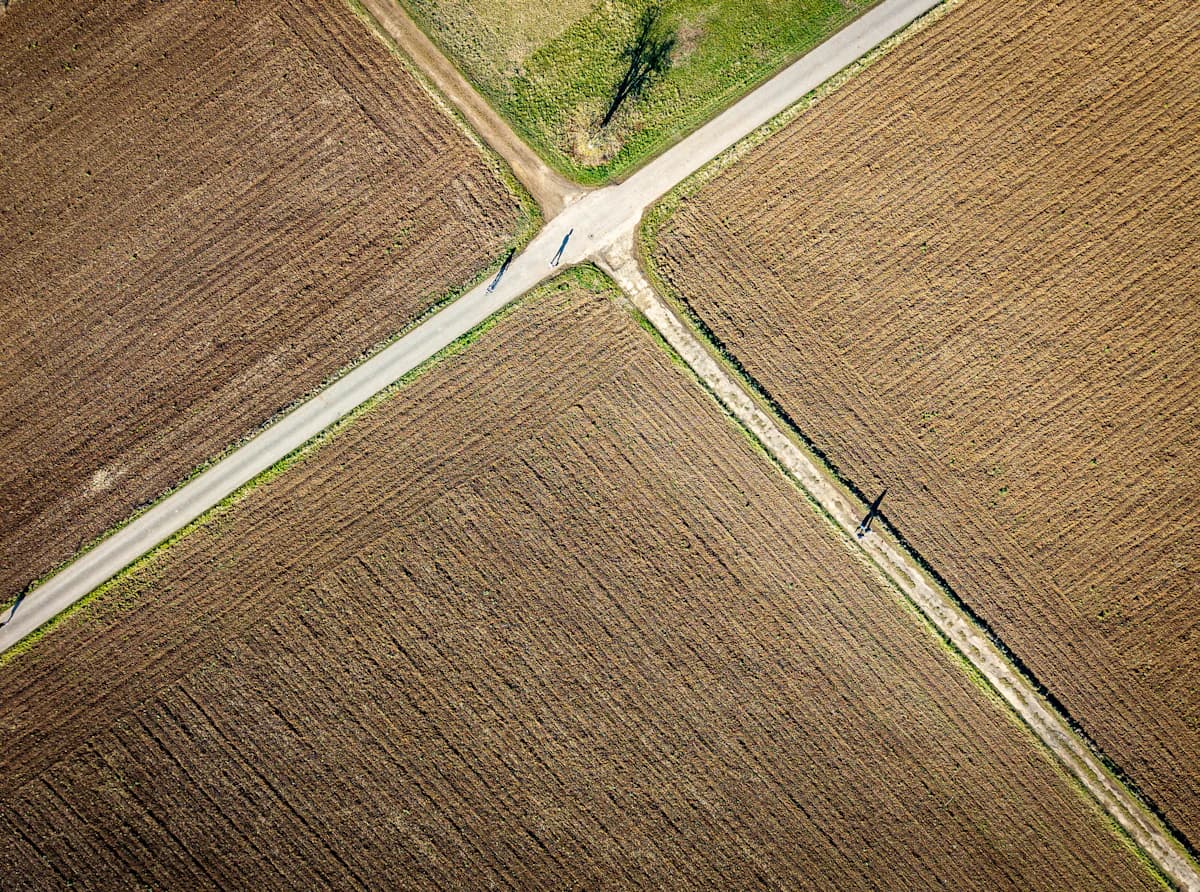
Choosing between Texas and Tennessee is a common crossroads for homesteaders. Both states skip a state income tax, both have Constitutional Carry, and both run friendly cottage food programs. But the day-to-day reality of building a homestead in each is shaped by very different factors: land prices, rainfall, and especially water law. This guide compares them side by side so you can match each state's strengths to your own priorities.
For deeper context, see our full Texas homesteading guide and Tennessee homesteading guide, or browse all 50 states.
Texas vs. Tennessee at a Glance
| Factor | Texas | Tennessee |
|---|---|---|
| State income tax | None | None |
| Sales tax | 6.25% | 7% |
| Business-climate rank | #7 | #8 |
| Homestead exemption | Unlimited (with acreage caps) | $5,000 (+$25,000 elderly/disabled) |
| Avg. farm real estate | ~$2,970/acre | ~$4,500/acre |
| Number of farms | ~248,000 (largest in US) | ~67,000 |
| USDA hardiness zones | 6b-10a | 6a-8a |
| Annual rainfall | 20-55" (wet east, dry west) | 50-60" (well-watered) |
| Growing season | 240-300 days | 200-230 days |
| Water rights | Prior appropriation (surface) + rule of capture (groundwater) | Riparian (water comes with land) |
| Building codes | No statewide code | Partial (many rural counties have little/none) |
| Homeschool regulation | None | Low |
| Firearms | Constitutional Carry | Constitutional Carry |
| Raw milk sales | On-farm/farm-gate only | Herd-share only (no direct sales) |
| Cottage food | Strong (home, markets, online) | Strong (no cap; markets & roadside) |
| Cannabis | CBD only | CBD only |
| Violent crime | ~450/100k (metro-driven) | ~600/100k (metro-driven) |
| Political lean | R+5 | R+14 |
| Solar (peak sun hours) | ~5.25 | ~4.45 |
| Net metering | No statewide net metering | No statewide net metering |
Land and Cost
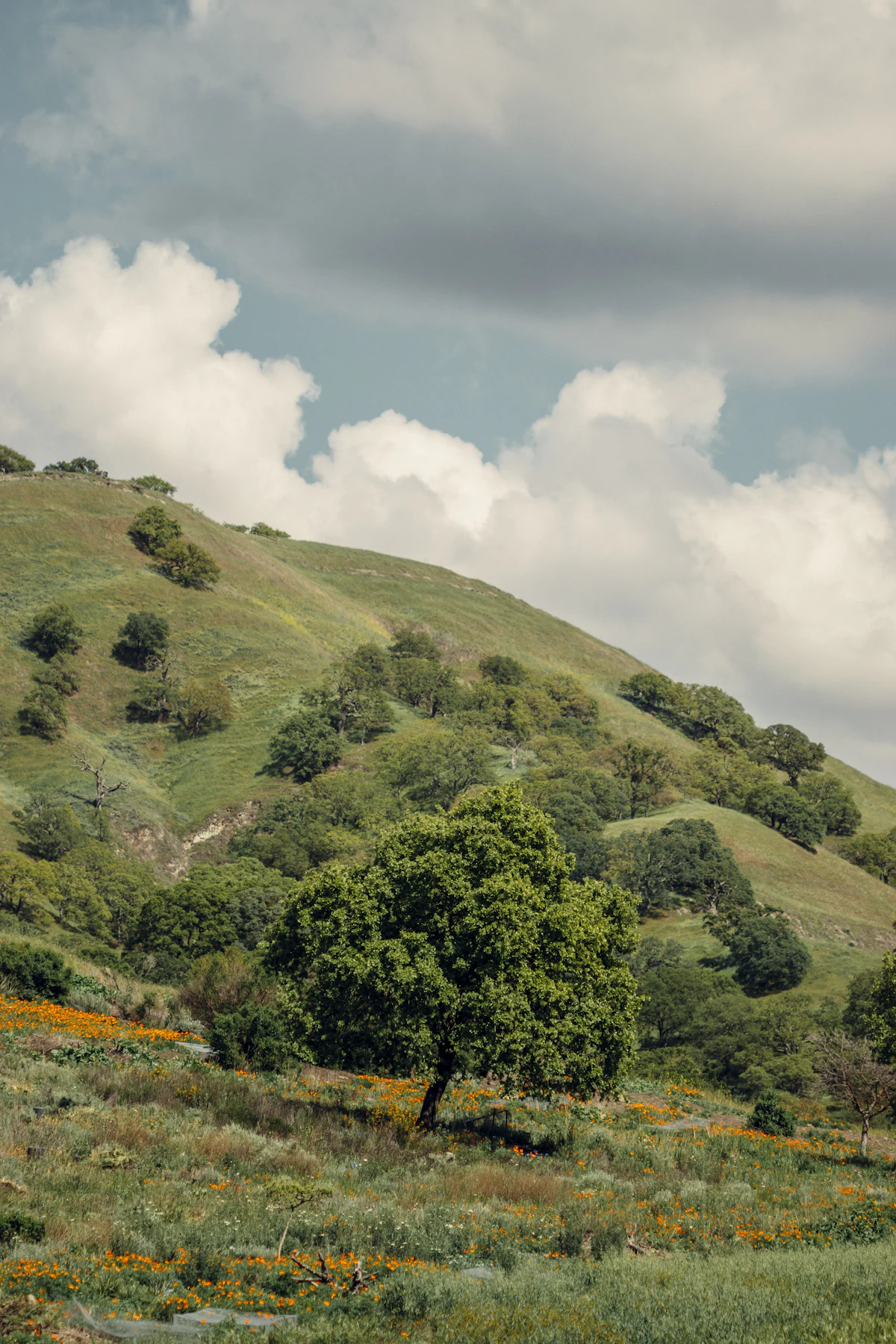
Land is where these two states diverge most sharply. Texas farm real estate averages around $2,970 per acre, while Tennessee runs closer to $4,500 per acre. On a per-acre basis, Texas is meaningfully cheaper, and the gap compounds quickly when you're buying acreage rather than a town lot.
Texas also has scale on its side. With roughly 248,000 farms, it holds the largest land inventory in the country, which means more listings, more variety, and more room to find the parcel that fits your plan. Tennessee, with about 67,000 farms, offers a smaller market. That isn't necessarily a drawback. A smaller, more manageable scale can be easier to navigate, and Tennessee parcels tend to come greener and better-watered, which factors into their higher price.
Both states keep recurring costs lower than many alternatives thanks to no state income tax. Sales tax is slightly lower in Texas (6.25%) than in Tennessee (7%), though that difference is minor compared to the land-price gap.
Water Rights and Climate
If you read only one section, read this one. Water law is the single biggest practical difference between Texas and Tennessee, and it can make or break a homestead.
Tennessee follows riparian water rights, which generally means water comes with the land. If you own property along a stream or with surface water, you typically have the right to make reasonable use of it. Combined with 50-60 inches of annual rainfall, Tennessee is reliably well-watered across the state. For diversified gardening, pasture, and livestock, dependable water removes one of the largest variables a homesteader has to plan around.
Texas is a different story. Surface water runs on prior appropriation, and groundwater on the rule of capture. The key takeaway: water does not automatically come with the land. You can own a parcel and still need to secure water rights or drill for groundwater separately. This is manageable with careful due diligence, but it is a real risk that catches new buyers off guard. Texas rainfall also varies enormously by region, from 20 inches in the arid west to 55 inches in the wetter east. The eastern half of the state behaves very differently from the dry west.
On climate generally, Texas offers a longer growing season (240-300 days) and more sun (about 5.25 peak sun hours), spanning USDA zones 6b-10a. Tennessee has a shorter but still generous season (200-230 days), zones 6a-8a, and about 4.45 peak sun hours. Texas wins on sunshine and season length; Tennessee wins on a greener, more uniform climate with water you can count on.
Laws, Freedom, and Asset Protection
Both states are friendly to self-reliance, but in different ways.
Texas has no statewide building code, which gives owner-builders significant latitude, especially in unincorporated areas. Homeschool regulation is essentially None, among the lightest in the country. The standout, though, is the unlimited homestead exemption. Subject to acreage caps, Texas offers the strongest creditor and asset protection of any state for your primary homestead. For homesteaders concerned about shielding their land from creditors, this is a major draw.
Tennessee leans light on regulation too. Building codes are Partial, and many rural counties have little or none, so the practical experience in rural Tennessee can resemble Texas. Homeschool regulation is Low. Its homestead exemption, however, is far more modest at $5,000 (with an additional $25,000 for elderly or disabled owners), so it does not offer the same asset-protection advantage.
The two states share more than they differ here. Both have Constitutional Carry, both run strong cottage food programs (Texas allows home, market, and online sales; Tennessee's Food Freedom Act allows direct sales at markets and roadside stands with no cap), and both limit cannabis to CBD only. On raw milk, the two differ: Texas allows on-farm and farm-gate sales, while Tennessee prohibits direct raw-milk sales and permits access only through herdshare (cow-share) agreements.
Safety and Community
Statewide violent-crime figures favor Texas at roughly 450 per 100,000, versus about 600 per 100,000 in Tennessee. Both numbers are heavily metro-driven, concentrated in cities like Memphis and Nashville in Tennessee's case. Rural homestead areas in either state typically look very different from the statewide average, so weigh these figures with local context rather than as a verdict on any specific county.
Politically, both states lean conservative, Texas at R+5 and Tennessee more strongly at R+14. Both rank near the top for business climate (Texas #7, Tennessee #8), reflecting low-tax, business-friendly environments.
Energy and Off-Grid
For solar, Texas has the edge with about 5.25 peak sun hours compared to Tennessee's 4.45, a natural consequence of its sunnier, drier regions. Neither state offers statewide net metering, so off-grid or battery-based systems make more sense than grid-tied setups counting on credits in both places. If solar is central to your plan, Texas gives you more raw sunlight to work with.
The Verdict: Which Should You Choose?
There is no single winner here. The right choice depends on what you value most.
Pick Texas if:
- You want the lowest land price per acre and the largest selection of parcels in the country.
- Asset protection matters to you; the unlimited homestead exemption is hard to beat.
- You value maximum freedom: no statewide building code and minimal homeschool regulation.
- You want a long growing season and strong solar potential.
- You're prepared to do careful due diligence on water, and you can lean toward the wetter eastern half of the state.
Pick Tennessee if:
- Dependable water is your top priority; riparian rights plus 50-60 inches of rain take the guesswork out.
- You want a greener, more uniform climate well suited to diversified gardening and pasture.
- You prefer a smaller, more manageable land market over Texas's sheer scale.
- You're comfortable paying more per acre in exchange for water and climate reliability.
The core tradeoff is straightforward. Texas offers cheaper land, more inventory, stronger asset protection, and more sun, but its water law is a genuine risk and parts of the state are arid. Tennessee costs more per acre but hands you reliable water and an easier growing climate. Match the state to your plan, not the other way around.
Explore the details on each state's page: Texas and Tennessee. For the wider picture, see our best states for homesteading in 2026 roundup.
Frequently Asked Questions
Is Texas or Tennessee cheaper for buying homestead land?
Texas is cheaper per acre on average, around $2,970 versus roughly $4,500 in Tennessee. Texas also has by far the largest land inventory in the country (~248,000 farms vs. ~67,000), so you'll generally find more options. Tennessee's higher prices partly reflect its greener, better-watered land.
Why does water law matter so much when comparing these states?
In Tennessee, riparian rights generally mean water comes with the land, and 50-60 inches of annual rainfall makes water dependable. In Texas, surface water follows prior appropriation and groundwater follows the rule of capture, so water does not automatically come with a parcel. A Texas buyer may need to secure water rights or drill separately, which makes due diligence essential.
Which state has lower taxes and lighter regulation?
Neither state has a state income tax. Texas has a slightly lower sales tax (6.25% vs. 7%), no statewide building code, and minimal homeschool regulation, plus an unlimited homestead exemption for asset protection. Tennessee is also light on regulation, with partial building codes that many rural counties barely enforce, but its homestead exemption is far smaller at $5,000.
Is one state safer than the other?
Statewide, Texas reports a lower violent-crime rate (~450/100k) than Tennessee (~600/100k), but both figures are driven by metropolitan areas such as Memphis and Nashville. Rural homestead regions in either state typically differ substantially from the statewide average, so evaluate the specific county you're considering.
A Note for 2026
The figures here, including land prices, tax rates, and legal frameworks, reflect the data we have for 2026. Laws and markets shift, so confirm current water rights, building requirements, and exemption details at the county level before you buy. Our state pages for Texas and Tennessee are a good starting point for the latest specifics.

 Your brand here — Reach our audience of professional directory owners and boost your sales.