Homesteading in Texas: The Complete 2026 Guide
Considering Texas for a homestead? Compare taxes, land prices, climate, water rights, building codes, and food freedom in this practical 2026 guide.
Written by Homestead Finder Editorial
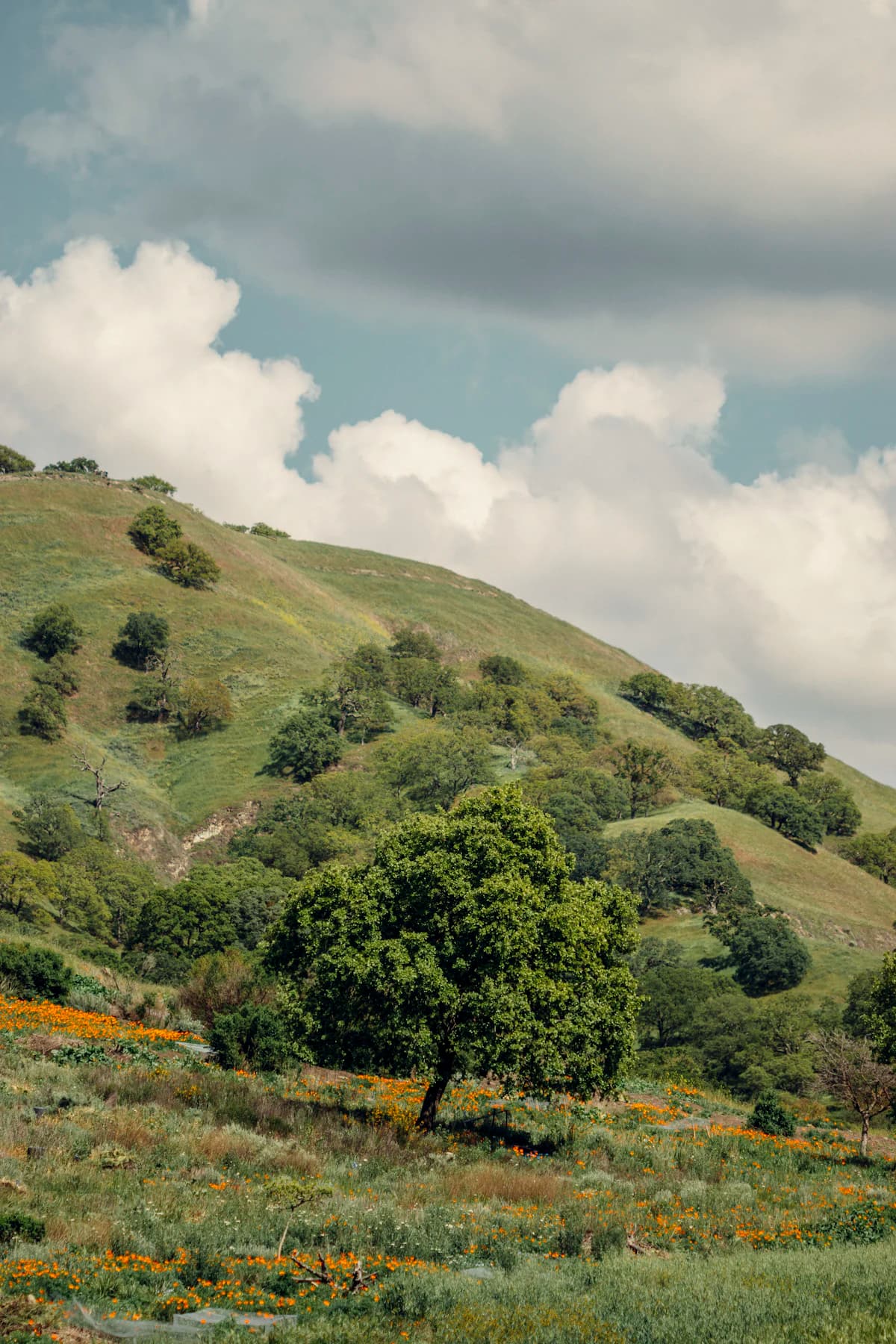
Texas draws homesteaders for a specific set of reasons: no state income tax, the largest land market in the country, a long growing season, and a legal culture that leans hard toward leaving landowners alone. Add the strongest homestead creditor protection in the United States and you have a state that rewards people who want to build, grow, and run a small farm business on their own terms. The catch is water, and where you settle in Texas matters more than in almost any other state.
This guide is a narrative buyer's overview meant to help you decide whether Texas fits your goals. For the full county-level numbers, side-by-side rankings, and the latest data, see our live Texas state page, which we keep updated. You can also compare all 50 states to see how Texas stacks up against the alternatives.
Texas at a glance
| Factor | Texas (2026) |
|---|---|
| State income tax | None |
| Sales tax | 6.25% |
| Business climate rank | #7 in the US |
| Homestead exemption | Unlimited (strongest in the US) |
| Avg farm real estate | ~$2,970/acre |
| Farms statewide | ~248,000 (largest land inventory) |
| USDA hardiness zones | 6b–10a |
| Annual rainfall | 20–55 inches (east to west) |
| Growing season | 240–300 days |
| Water rights system | Prior appropriation (surface); rule of capture (groundwater) |
| Building codes | No statewide code (set locally; rural counties often minimal) |
| Off-grid living | Generally legal (confirm at county level) |
| Cottage food law | Strong (home, markets, and online) |
| Raw milk | On-farm sales and direct delivery to consumers |
| Homeschooling | Among the lightest regulation in the US |
| Gun laws | Constitutional Carry |
Why Texas for homesteading
Texas combines a few things that rarely line up in one place. The tax picture is excellent, land is cheaper per acre than in most of the popular homesteading states, and the sheer size of the market means you can find almost any kind of parcel you want, from East Texas timber to West Texas ranch land.
What sets Texas apart, though, is its legal posture toward land and property. The state has no statewide building code, a homestead exemption that is effectively unlimited, light homeschool regulation, and strong food freedom laws. For an owner-builder who wants to put up a house on their own schedule, raise animals, grow food, and sell some of it, Texas removes a lot of the friction that other states impose. If freedom from regulation is high on your list, it is worth seeing how Texas compares in our roundup of the best states for homesteading in 2026.
Taxes and cost of living
Texas has no state income tax, which is one of its biggest draws. Whether your homestead income comes from a remote job, a pension, a small farm business, or off-farm work, the state does not take a cut. The sales tax is a relatively low 6.25% at the state level, though local add-ons raise the combined rate, so you will still feel it on building materials and everyday purchases.
Texas also ranks #7 in the US for business tax climate, a strong signal if you plan to run a farm stand, a value-added food business, or any small enterprise. Asset protection is another draw: Texas offers an unlimited homestead exemption, the strongest creditor protection in the country. Your primary homestead is generally shielded from most creditors regardless of its value, subject to acreage limits and the usual exceptions like mortgages and tax liens. If protecting the family farm from lawsuits or debt is a priority, a local attorney can explain how it applies to your situation.
The trade-off is property tax. Texas funds a lot through property taxes, and rates run higher than the national average. Many rural landowners use agricultural valuation (an "ag exemption") to lower the taxable value of working land, so factor that into your budget and confirm requirements with the county appraisal district.
Land and farms
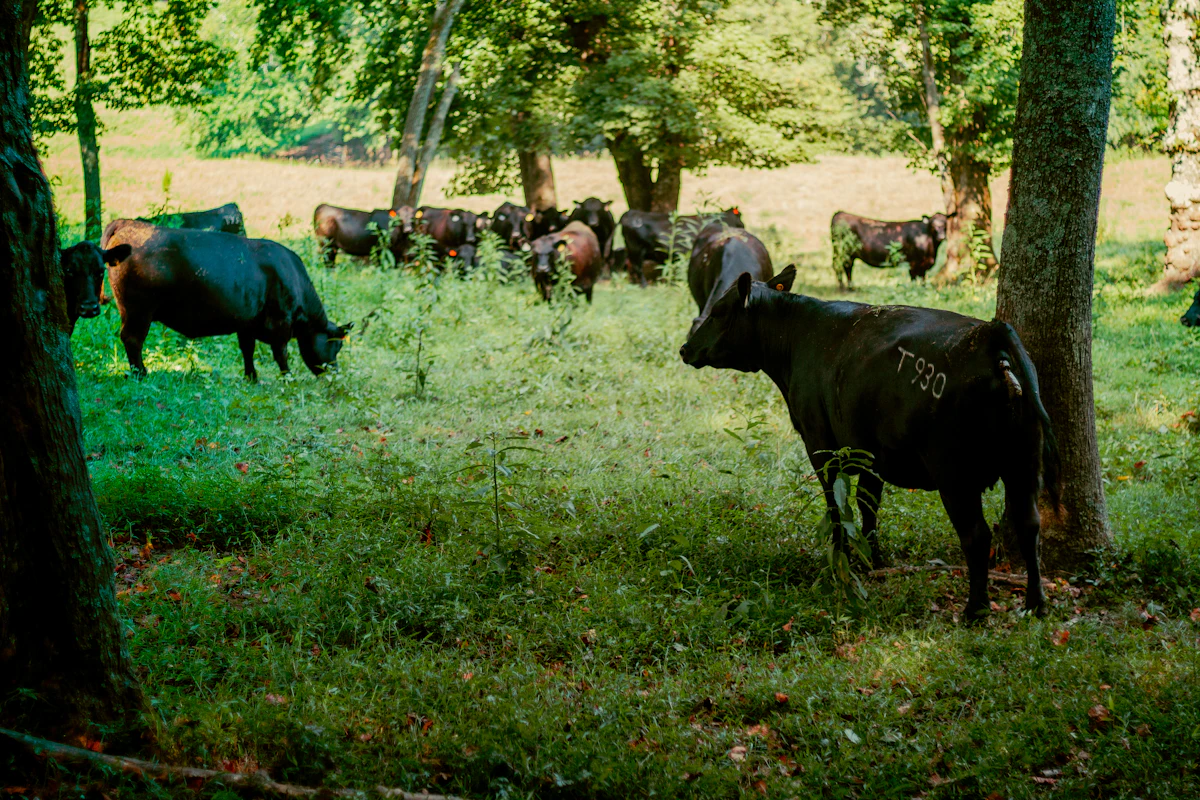
With roughly 248,000 farms statewide, Texas has the largest land inventory in the country and a deep agricultural culture that homesteaders can plug into. Average farm real estate runs around $2,970 per acre, which is notably affordable compared to most of the popular homesteading states. That said, the state average hides an enormous spread.
Prices climb sharply in the scenic Hill Country and near growing metros, and drop considerably in the arid Panhandle and remote West Texas. Treat the per-acre average as a starting reference, not a quote. What you actually pay depends heavily on region, rainfall, road access, whether the parcel is wooded or open, the water situation, and how close you are to a city. Texas land is also a strong value when measured against the rest of the country, which is why it shows up in our look at the cheapest states to buy homestead land. Use our Texas data page to look at county-level figures before you narrow your search.
Climate and growing season
Texas spans USDA hardiness zones 6b to 10a, an unusually wide range that runs cold in the Panhandle and nearly subtropical near the Gulf and the Rio Grande Valley. With a growing season of 240 to 300 days, you have time for multiple plantings, a long harvest window, and crops that simply will not finish in shorter-season northern states.
The defining climate variable in Texas is rainfall, and the east-to-west swing is dramatic. East Texas receives around 55 inches a year, enough to keep pasture green and gardens productive without much irrigation, while far West Texas gets closer to 20 inches, firmly arid ranching country. This single fact shapes almost every homesteading decision in the state. Where you settle determines whether you are working with abundant natural moisture or planning your whole operation around scarce water.
Water
Texas water law is more complicated than in well-watered Eastern states, and it deserves close attention before you buy. Surface water (rivers, streams, and most natural flows) is owned by the state and governed by prior appropriation, meaning rights are allocated through permits and senior claims, not by simply owning land along the water.
Groundwater follows the rule of capture, which generally lets a landowner pump from beneath their own property, though local groundwater conservation districts increasingly regulate withdrawals. The crucial point for newcomers is that water access does not automatically come with the land in Texas. A parcel with a dry creek bed, no permitted surface rights, and a deep or unreliable aquifer can be a difficult place to homestead. Always confirm well depth, well yield, and local groundwater district rules, and check whether any surface water carries usable rights, before you commit.
Building codes and off-grid
Texas has no statewide building code. Codes are set locally, and many rural counties impose little or none, which gives owner-builders real freedom to build on their own timeline and budget. Cities and their extraterritorial jurisdictions regulate more heavily, so the further you are from a municipality, the lighter the touch tends to be.
Off-grid living is generally legal in Texas, and solar, rainwater catchment, composting toilets, and private wells are all common on rural homesteads. Because rules vary so much from county to county, confirm specifics on septic permits, electrical requirements, and any minimum dwelling standards with the local authority before you build. If a hands-off code environment is central to your plans, Texas features prominently in our guide to the best states with no building codes.
Food freedom: cottage food and raw milk
Texas has a strong cottage food law. Producers can sell many non-hazardous homemade foods directly to consumers from home, at farmers markets, and even online, with no permit required for many products. This is one of the more generous frameworks in the country and makes Texas an attractive place to turn baked goods, jams, candies, and similar items into real income from your kitchen.
Raw milk is more restricted. A permitted Texas dairy may sell raw milk on-farm and deliver it directly to the consumer at an agreed location; sales through retail stores and farmers markets are not permitted. If a dairy enterprise is part of your plan, that farm-direct rule shapes how you would sell. You can see how a wetter, herdshare-friendly state handles dairy in our Tennessee homesteading guide. On cannabis, Texas remains restrictive, allowing CBD only.
Homeschooling and gun laws
Texas has among the lightest homeschool regulation in the US. The state treats home schools as private schools with minimal oversight: no registration, no mandatory testing, and no state reporting requirements beyond teaching a basic curriculum in good faith. For families who want full control over their children's education, this is about as unencumbered as it gets.
On firearms, Texas is a Constitutional Carry state, meaning eligible adults can carry a handgun without a permit. Combined with the rural character of much of the state, this fits the self-reliant profile most homesteaders are after. Statewide violent crime sits around 450 per 100,000, but that figure is metro-driven; rural counties, where most homesteaders end up, are considerably safer. Texas leans Republican by roughly R+5, which tracks with its limited-regulation approach to land and property.
Best regions for homesteading
East Texas Piney Woods is the sweet spot for most homesteaders. With 40 to 55 inches of rain a year, genuinely lush land, and prices that stay affordable, this region offers the easiest path to a productive homestead without fighting the climate for water. If you want pasture that stays green and gardens that thrive on rainfall, start here.
The Texas Hill Country, the scenic limestone hill region west of Austin and San Antonio, is beautiful and popular, but it comes at a premium. Land is pricier, and water can be genuinely scarce in places, so vet the well and surface water situation carefully before falling for the views.
The Panhandle and West Texas are arid ranching country: land is cheap, the open space is enormous, and the lifestyle is classic Texas, but water is the limiting factor. These regions reward people with the capital and know-how to manage water and run livestock at scale.
Central and North Texas are mixed. The land and climate can work well, but development pressure near the Dallas-Fort Worth and Austin metros pushes prices up and brings more regulation. Look further from the cities to keep both cost and red tape down.
Downsides and things to watch
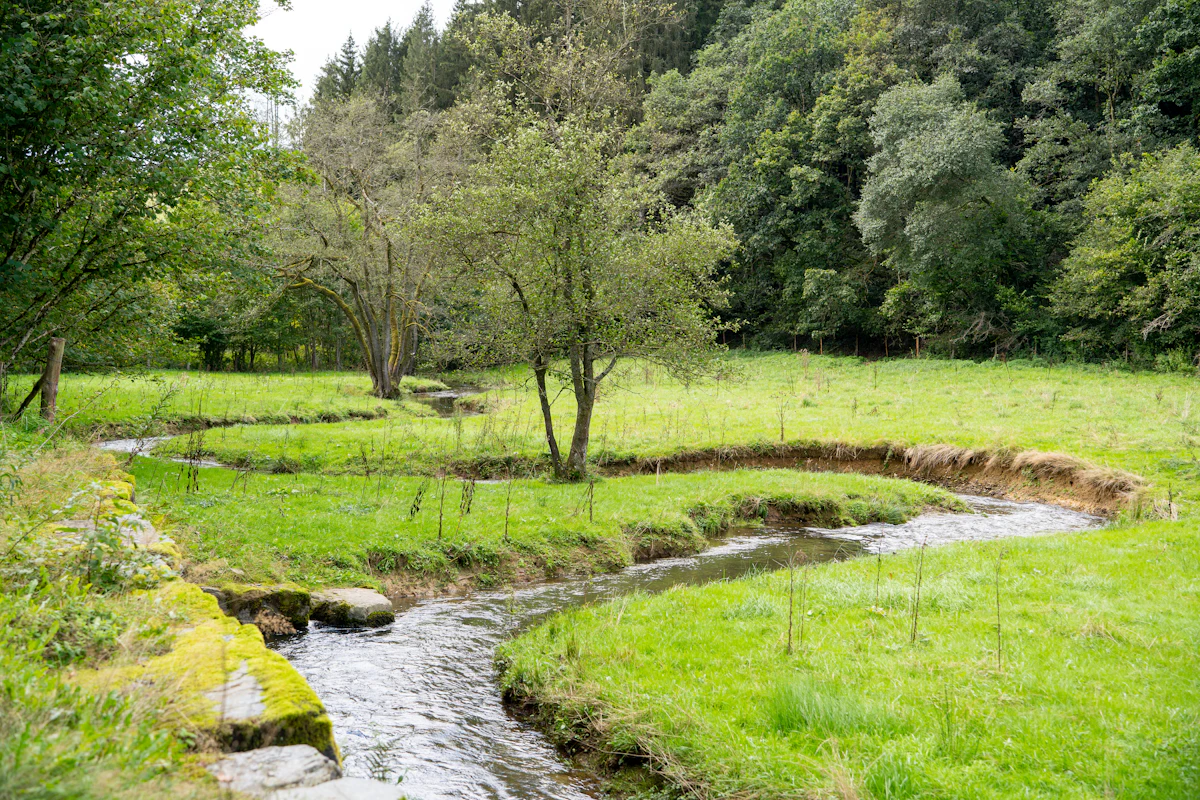
Texas is not a turnkey homesteading state, and the same scale that gives it variety also means a parcel that looks like a bargain can carry real problems. Water is the headline risk: because rights do not automatically come with the land, a cheap arid parcel can be hard or expensive to make livable. Always investigate water before anything else.
Property taxes run higher than the national average, so build them into your numbers even with an ag valuation. Heat and drought are facts of life across much of the state, and the western half is genuinely dry. Finally, because codes, septic rules, and groundwater regulations are all local, two neighboring counties can have very different rules. Do not assume the freedom of one county applies to the next.
Getting started
Start by deciding which region fits your priorities, since the East-versus-West water divide will shape everything else. From there, narrow to a few counties and dig into the specifics that vary locally: property tax and ag valuation rules, septic and building requirements, and the groundwater district's regulations.
Before you make an offer on any parcel, confirm the water situation in detail: well depth and yield, aquifer reliability, and whether any surface water carries usable rights. Walk the land, talk to neighbors, and verify the county rules in writing. Our Texas data page is the fastest way to compare counties on price, climate, and the factors that matter most, and you can always compare Texas against other states if you are still weighing your options. If you want a sense of how a wetter, more uniform alternative looks, our Tennessee homesteading guide makes for a useful comparison.
Conclusion
Texas rewards homesteaders who do their homework. The tax environment is excellent, land is affordable, the growing season is long, and the legal culture genuinely favors landowners, from the unlimited homestead exemption to the absence of a statewide building code. The one thing you cannot afford to overlook is water, and the right region makes all the difference. Get that decision right, and few states offer more freedom to build the self-sufficient life you have in mind.
Ready to find your parcel? Explore Texas counties on Homestead Finder to compare prices, climate, and rules side by side, or compare all 50 states to make sure Texas is your best fit.
Frequently Asked Questions
Is Texas a good state for homesteading?
Yes, for the right buyer. Texas offers no state income tax, affordable land, a long growing season, an unlimited homestead exemption, and no statewide building code. The main caveat is water: it does not automatically come with the land, so where you settle matters enormously. East Texas is the most forgiving region for newcomers.
Do you need a permit to build off-grid in Texas?
It depends on the county. Texas has no statewide building code, and many rural counties impose little or none, though septic systems and some structures may still require permits. Cities and their extraterritorial jurisdictions regulate more. Always confirm the specific rules with the local county before you build.
Can you sell homemade food and raw milk in Texas?
Texas has a strong cottage food law allowing many non-hazardous homemade foods to be sold from home, at farmers markets, and online without a permit for many products. Raw milk is more limited: a licensed dairy may sell it on-farm and deliver it directly to consumers, but not through retail stores or farmers markets.
How much does homestead land cost in Texas?
Average farm real estate runs around $2,970 per acre statewide, but the range is wide. Expect to pay more in the Hill Country and near major metros, and considerably less in the arid Panhandle and West Texas. Check our Texas data page for current county-level figures before you buy.
Data reflects 2026 figures and is intended as a starting point. Laws and local rules change, and county-level requirements vary, so always verify the specifics with the relevant county and a qualified professional before making decisions.

 Your brand here — Reach our audience of professional directory owners and boost your sales.