Homesteading in Montana: The Complete 2026 Guide
Cheap land, no sales tax, and no statewide building code make Montana a top homestead pick. Here's the honest 2026 breakdown of taxes, water, climate, and law.
Written by Homestead Finder Editorial
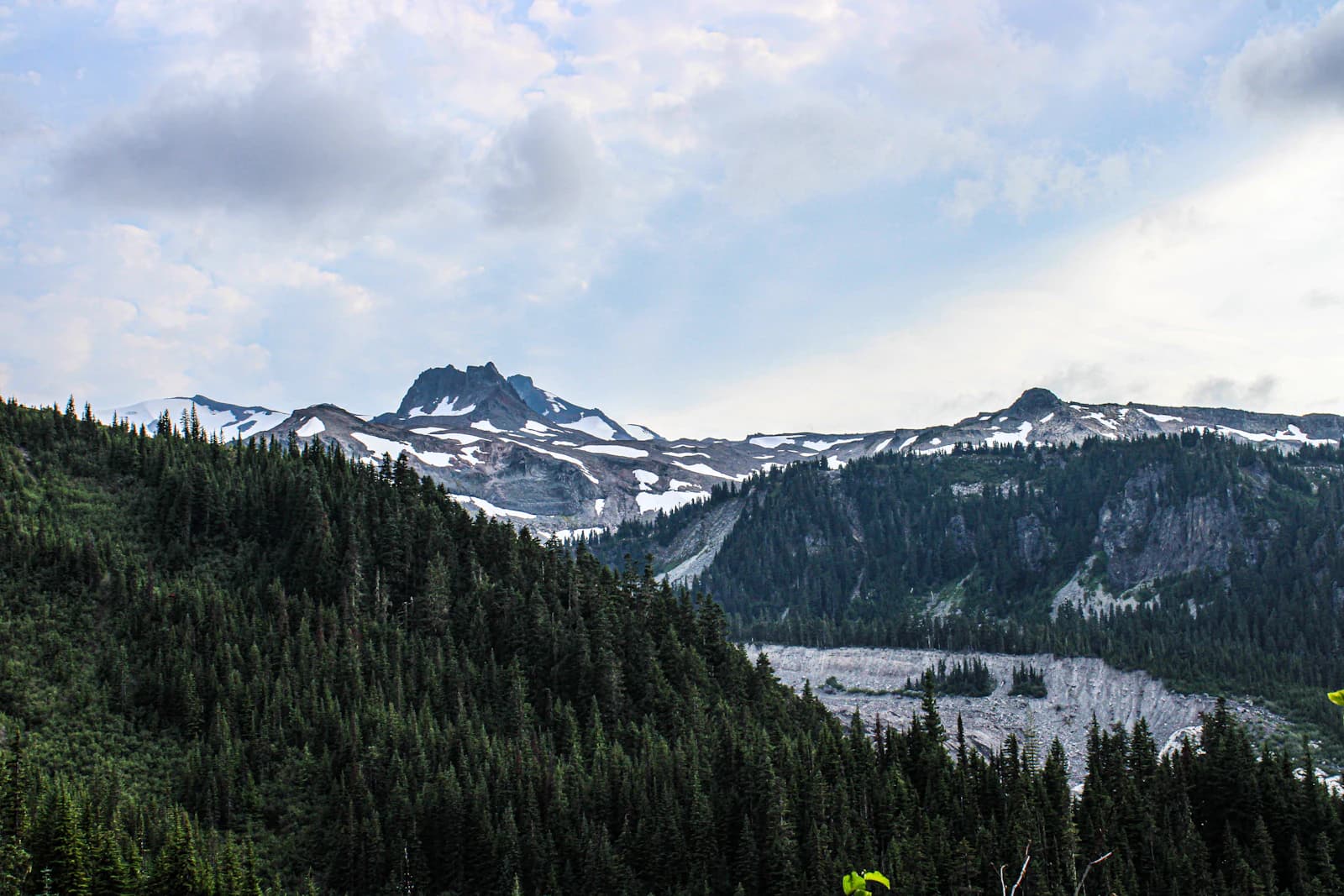
Montana sells a powerful story to anyone dreaming of self-sufficiency: wide-open country, cheap land by the acre, no sales tax, and a government that mostly leaves you alone. For grazing animals, raising hardy crops, or building a place far from the nearest inspector, it ranks among the strongest value picks in the country. But Big Sky Country is also high, cold, and dry, and the same remoteness that makes it appealing is the thing that catches unprepared buyers off guard.
This guide walks through what actually matters when you're comparing Montana against other states: taxes, land prices, water rights, climate, building rules, and food freedom. For live, side-by-side numbers, see the Montana state data page, and use the full states comparison to weigh Montana against everywhere else. All figures here reflect 2026, and county rules vary, so always verify locally before you buy.
Montana at a Glance
| Factor | Montana |
|---|---|
| State income tax (top rate) | 5.9% |
| Sales tax | None (0%) |
| Business climate rank | #5 |
| Homestead exemption | $250,000 |
| Avg. farm real estate | ~$1,230/acre |
| Number of farms | ~27,000 |
| USDA hardiness zones | 3a–6b |
| Annual rainfall | 12–20 inches (arid) |
| Growing season | 100–130 days |
| Water rights | Prior Appropriation |
| Statewide building code | None |
| Off-grid living | Generally legal |
| Homeschool regulation | Low |
| Gun laws | Constitutional Carry |
| Raw milk | On-farm / farm-gate sales |
| Cannabis | Recreational |
| Violent crime | ~420 per 100k |
| Political lean | R+11 |
Why Montana for Homesteading
Montana's appeal is structural, not just scenic. Start with land: average farm real estate runs around $1,230 per acre, which is genuinely cheap by national standards and makes large acreage realistic for ordinary budgets. With roughly 27,000 farms statewide and a deep ranching culture, the infrastructure for raising livestock, buying hay, and finding equipment is well established.
Then there's the tax picture. Montana levies no sales tax at all, which compounds over years of buying lumber, fencing, feed, tools, and vehicles. The state income tax tops out at 5.9%, and Montana's business climate ranks #5 nationally, which matters if your homestead doubles as a small farm business or side income. The state also offers a generous $250,000 homestead exemption that shields a meaningful chunk of your primary residence's value from certain creditors.
Add a near-total absence of regulatory friction (no statewide building code, low homeschooling oversight, constitutional carry, generally legal off-grid living), and Montana becomes one of the most autonomy-friendly states in the country. If your priorities are space, low taxes, and being left alone, the fundamentals line up well. To see how that compares against peers, the best states for homesteading in 2026 roundup is a useful gut check.
Taxes and Cost of Living
The headline is the missing sales tax. Montana is one of a small handful of states with no sales tax, which lowers the real cost of every material purchase a homestead requires, and there are a lot of them in the first few years. The income tax top rate of 5.9% is moderate, neither a standout draw nor a dealbreaker.
Property taxes deserve closer attention. Montana funds local government substantially through property taxes, and rates and assessed values vary significantly by county and have been a live political issue. Cheap land does not always mean cheap carrying costs, so pull actual mill levies for any county you're serious about. The $250,000 homestead exemption helps on the asset-protection side but is separate from your annual property tax bill.
Overall cost of living is moderate, but remoteness has a price: fuel, freight, and contractor travel all cost more when the nearest town is an hour away. Budget for that. If raw affordability is your top filter, compare Montana against the cheapest states to buy homestead land.
Land and Farms
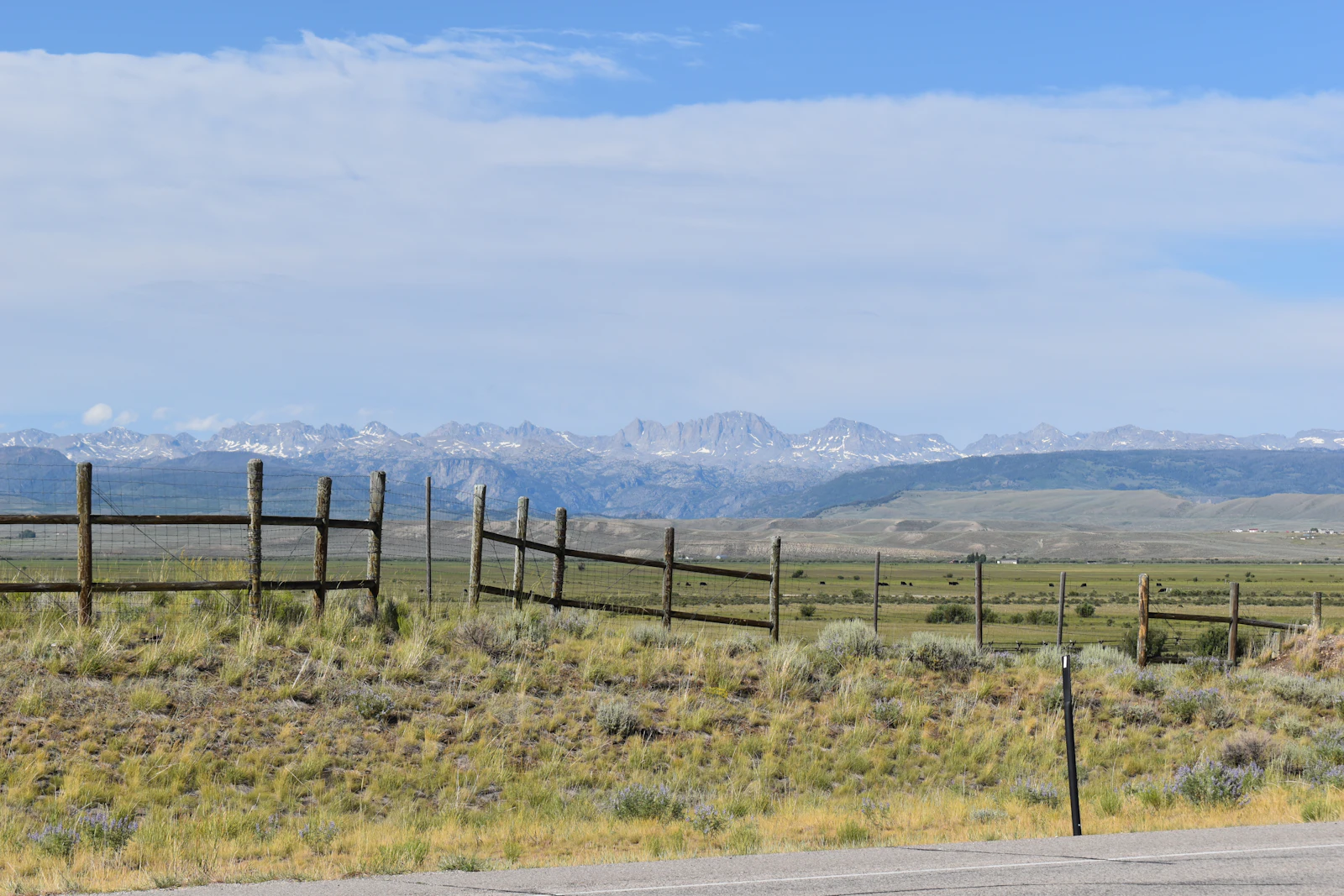
Montana is ranch country first and crop country second. Much of the cheapest land is dryland grazing acreage, sold in large parcels, with the understanding that you'll run cattle, sheep, or other livestock rather than plant intensive row crops. That's the natural fit here: grass-based grazing, hay, and hardy production rather than thirsty vegetables at scale.
Prices vary enormously by region. The eastern plains offer the lowest per-acre figures, while scenic western valleys command a substantial premium. When you evaluate a parcel, look past the price tag at water access, road frontage and winter access, soil and forage quality, and whether utilities are remotely reachable or you're going off-grid by default. A cheap parcel with no reliable water is not a bargain.
Climate and Growing Season
This is where honesty matters most. Montana spans USDA hardiness zones 3a through 6b, and the growing season runs roughly 100 to 130 days. That's short. Frost can arrive early and late, and high-elevation parcels are colder and shorter still than the valleys.
For the homesteader, that means a few things. Cold-hardy crops, season extension (hoop houses, low tunnels, cold frames), and careful variety selection are not optional luxuries; they're how you grow food here. Perennials and livestock often make more sense than heat-loving annuals. Greenhouses extend your options considerably but add cost and complexity.
Winters are genuinely cold, and this circles back to building: even though no inspector will force you to, you must build for real cold. Insulation, heating capacity, frost-depth foundations, and water lines that won't freeze are survival infrastructure, not finish-work upgrades.
Water
Water is the single most important variable in arid Montana, and it's governed by Prior Appropriation: "first in time, first in right." Older water rights take priority over newer ones, and in a dry year, junior rights may get nothing. This is fundamentally different from the eastern "you own land along the water, you can use it" model.
The practical implications are large. When you buy land, water rights do not automatically transfer in the way a buyer might assume. Confirm in writing exactly which rights convey with the parcel, their priority date, and what they permit. A creek running through your land does not mean you have the legal right to use it. Domestic wells often have specific exemptions, but irrigation and stock water are where appropriation rules bite hardest.
With rainfall of just 12 to 20 inches a year across much of the state, you cannot count on the sky. Verify water rights before closing, not after. This is the most common way otherwise-savvy buyers get burned in the arid West.
Building Codes and Off-Grid Living
Montana has no statewide building code, which is a major draw for owner-builders and off-grid projects. Off-grid living is generally legal, and in many rural counties you have real latitude to build the way you want, on your own timeline. For people tired of permits and inspections, this is a defining feature. Montana consistently shows up alongside other freedom-friendly options in our best states with no building codes guide.
Two cautions, though. First, "no statewide code" does not mean "no rules anywhere." Incorporated cities and some counties adopt their own codes, and septic, well, and electrical permitting often still apply. Always verify at the county level. Second, the absence of inspection is not permission to build poorly. Montana winters are unforgiving, and a structure that fails to handle cold, snow load, and frost heave becomes a serious problem with no inspector to have caught it. Freedom here means the responsibility for build quality sits entirely on you.
Food Freedom: Cottage Food and Raw Milk
Montana scores well on food freedom. The Montana Cottage Food Act supports home-based food production and direct sales, giving small producers a legal path to sell home-kitchen goods without commercial-kitchen overhead. For homesteaders looking to turn surplus into income, that lowers the barrier considerably.
Raw milk is more limited. Montana allows on-farm, farm-gate sales aimed at small-herd direct sales, meaning you can sell raw milk directly from the farm under the applicable conditions rather than through retail channels. If a dairy animal or small herd is part of your plan, this matters, so confirm the current herd-size limits and sale conditions before you build around it. Rules in this space evolve, so verify the latest specifics.
Homeschooling and Gun Laws
Montana is one of the easier states for homeschooling, with low regulatory oversight. Families have substantial freedom to direct their children's education with minimal state involvement, which is a frequent priority for homesteading households. Confirm the current notification and recordkeeping basics for your county, but the overall burden is light.
On firearms, Montana is a constitutional carry state, meaning a permit is not required to carry in most circumstances. Combined with a rural, self-reliant culture, this fits the profile of buyers who want a hands-off legal environment. The statewide violent crime rate sits around 420 per 100,000, and the state's politics lean R+11, reflecting its conservative, independent character.
Best Regions for Homesteading
Montana is really several different states stitched together, and the right region depends on your priorities and budget.
Western Valleys (Bitterroot, Flathead)
The western valleys are the postcard Montana: more moisture, scenery, and milder microclimates than the plains. They're popular, which means they're also the priciest, with land commanding a clear premium and more competition for parcels. If you want a slightly more forgiving growing environment and closer access to towns and services, this is the draw, provided you can pay for it.
Eastern Plains
The eastern plains are wide-open, dry ranching country, and home to the cheapest land in the state. This is grazing and dryland territory: big skies, big parcels, and real remoteness. If your model is livestock on grass and you value low entry cost over convenience, the east delivers, but go in clear-eyed about aridity, wind, and distance from services.
Central Montana
Central Montana splits the difference — a mix of dryland farming and ranching with prices and conditions between the scenic west and the bargain east. For buyers who want workable land without paying valley premiums, it's often the sensible middle ground. Wyoming offers a similar high-and-dry profile if you're weighing neighbors; see the Wyoming homesteading guide for a direct comparison.
Downsides and Things to Watch
Montana's strengths come bundled with real trade-offs, and pretending otherwise helps no one.
- Short growing season. 100 to 130 days and zones as cold as 3a mean serious limits on what you can grow without season extension.
- Aridity. With 12 to 20 inches of rain, water is the binding constraint, and Prior Appropriation means access is a legal question, not just a geographic one.
- Hard winters. Cold and snow raise your build-quality requirements substantially, even though no code forces the issue.
- Remoteness. The cheapest land is often far from services, raising costs for fuel, freight, healthcare, and contractors, and demanding genuine self-reliance.
- Property taxes. Variable and a live issue, so cheap land doesn't guarantee cheap annual carrying costs.
None of these are reasons to rule Montana out. They're reasons to choose your parcel and region deliberately.
Getting Started
If Montana still fits after the honest accounting, here's a sensible path. First, narrow to a region based on your climate tolerance and budget, using the Montana data page and the states comparison tool to benchmark it. Second, before you fall for any parcel, investigate water: confirm exactly which rights convey, their priority date, and what they allow. Third, check county-level rules for septic, well, and any local building or zoning requirements, since "no statewide code" varies on the ground.
Then visit, ideally in more than one season, so you understand the winter you'll actually be living through. Talk to neighbors and the local extension office about forage, varieties, and water history. Build your budget around remoteness and cold, not best-case assumptions. The homesteaders who thrive in Montana are the ones who treated its harshness as a planning input from day one.
Conclusion
Montana rewards preparation. No sales tax, cheap land, a generous homestead exemption, and no statewide building code make it one of the strongest value and freedom picks in the country, especially for grazing, ranching, and hardy production. The catches — a short season, aridity, hard winters, and real remoteness — are equally real, and they punish buyers who skip the homework, particularly on water rights.
Do the diligence, choose your region with intention, and Montana can be an exceptional place to build a self-sufficient life. Start by comparing the live numbers on the Montana state page and weighing it against every other state in the full comparison.
Frequently Asked Questions
Is Montana a good state for homesteading?
Yes, for the right buyer. Cheap land (around $1,230 per acre on average), no sales tax, a $250,000 homestead exemption, and no statewide building code make it a strong value and freedom pick, particularly for grazing and ranching. The trade-offs are a short 100 to 130 day growing season, an arid climate, cold winters, and remoteness, so it rewards careful planning.
Do water rights transfer when you buy land in Montana?
Not automatically in the way many buyers assume. Montana uses Prior Appropriation ("first in time, first in right"), and water rights are a separate legal matter from land ownership. Always confirm in writing exactly which rights convey with a parcel, their priority date, and what uses they permit before you close.
Can you live off-grid in Montana without a building permit?
Generally yes. Off-grid living is legal and Montana has no statewide building code, so many rural counties give owner-builders real latitude. But incorporated cities and some counties adopt their own codes, and septic, well, and electrical permits often still apply, so verify county rules. The absence of inspection also makes build quality entirely your responsibility, which matters a lot given Montana winters.
Can you sell homemade food and raw milk in Montana?
Home-based food sales are supported under the Montana Cottage Food Act, giving small producers a legal path to direct sales. Raw milk is more limited, allowed through on-farm, farm-gate sales geared toward small-herd direct sales. Confirm the current limits and conditions, as these rules can change, and verify county specifics.

 Your brand here — Reach our audience of professional directory owners and boost your sales.