Homesteading in Maine: The Complete 2026 Guide
Homesteading in Maine in 2026: the strongest US food freedom, retail raw milk, the lowest crime rate, cheap northern land, and the cold-season trade-offs.
Written by Homestead Finder Editorial
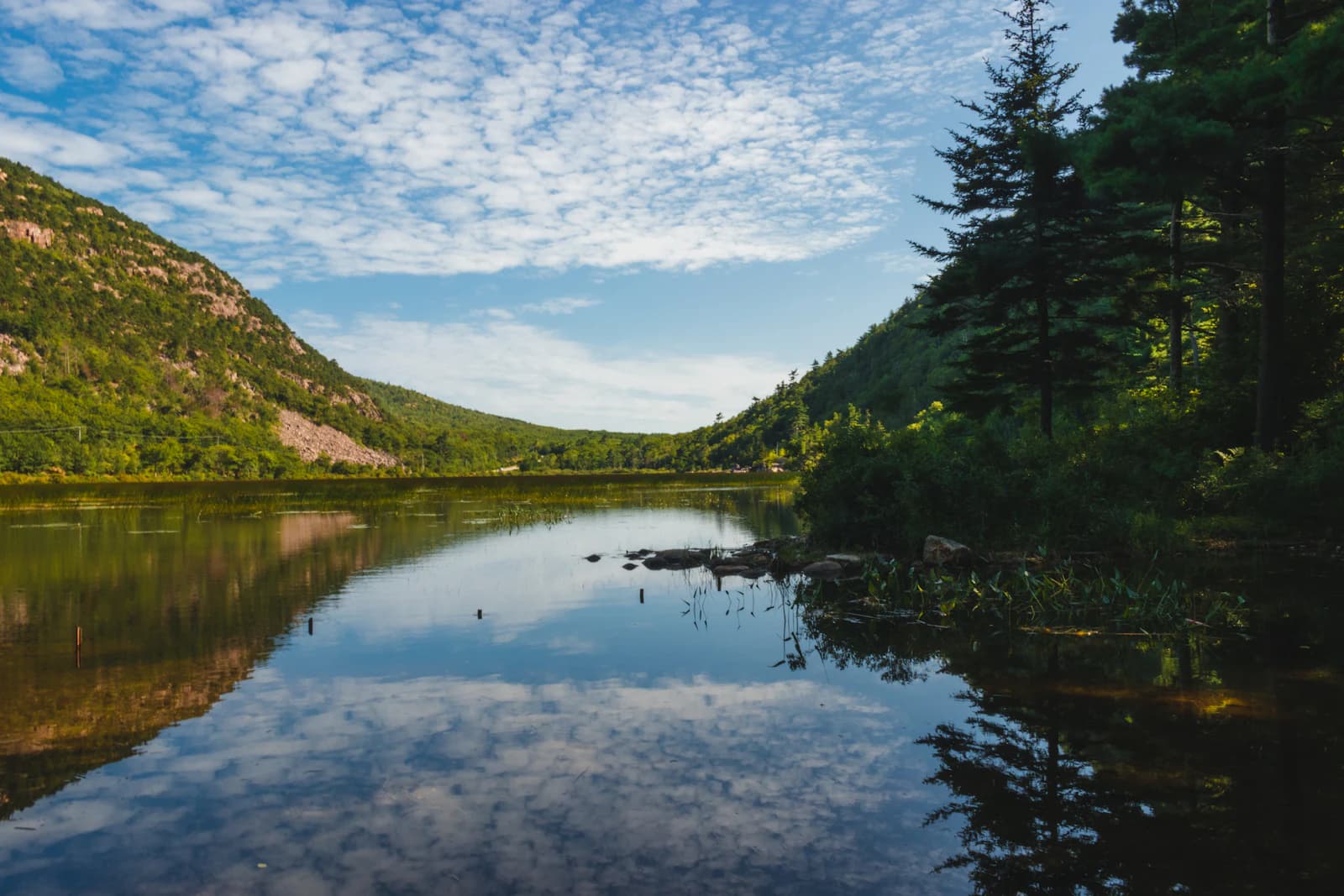
Maine has one of the deepest back-to-the-land traditions in the country, and for good reason. It pairs unusually strong food freedom with abundant water, cheap northern land, and the lowest violent crime rate in the United States. The trade-off is real, too: a short, cold growing season and a high income tax. This guide focuses on what it actually takes to homestead here, and complements our Maine state overview, which has the core numbers and scoring. For side-by-side comparisons, see all 50 states.
All figures below reflect 2026. Rules vary widely by town and county in Maine, so always verify local ordinances before you buy.
Maine at a glance
| Factor | Details |
|---|---|
| USDA hardiness zones | 3b–6a |
| Growing season | 100–160 days (short and cold) |
| Annual rainfall | 40–48 inches (well-watered) |
| Solar | ~4.0 peak sun hours (modest; strong net metering) |
| Avg farm real estate | ~$3,200/acre (affordable, especially in the north) |
| Number of farms | ~7,600 |
| State income tax (top rate) | 7.15% |
| Sales tax | 5.5% |
| Homestead exemption | $25,000 (primary residence) |
| Business-climate rank | #38 |
| Water rights | Riparian (favorable) |
| Building codes | Partial (limited statewide reach) |
| Off-grid living | Generally legal |
| Raw milk | Retail sales legal |
| Cottage food | Excellent (Maine Food Sovereignty Act) |
| Homeschool regulation | Medium |
| Guns | Constitutional carry |
| Cannabis | Recreational (fully legal) |
| Violent crime | ~112 per 100k (lowest in the US) |
| Political lean | D+3 |
Why Maine for homesteading
Maine's appeal comes down to self-reliance with very few legal obstacles. Few states make it as easy to grow, raise, sell, and trade your own food, and even fewer combine that with this much forest, water, and safety.
The headline is food freedom. The Maine Food Sovereignty Act lets individual towns set their own rules for local food sales, which is among the most permissive food-freedom frameworks anywhere in the country. On top of that, retail raw milk is legal, off-grid living is generally allowed, and statewide building codes have only partial reach. Add constitutional carry and legal recreational cannabis, and Maine lands firmly in the camp of states that mostly leave self-sufficient households alone.
Then there is safety. At roughly 112 violent crimes per 100k residents, Maine has the lowest violent crime rate in the United States. For families choosing a remote property far from neighbors, that peace of mind is hard to overstate.
Taxes and cost of living
Maine is a mixed bag on taxes, and it's worth being honest about it. The state income tax tops out at 7.15%, which is genuinely high and one of the real costs of living here. If you bring in significant off-homestead income, that bite is noticeable.
The picture softens elsewhere. Sales tax is a moderate 5.5%, and the homestead exemption knocks $25,000 off the assessed value of your primary residence for property-tax purposes. Maine's business-climate rank sits at #38, so this is not a state built around entrepreneurial tax breaks, but for a household whose main goal is producing its own food rather than maximizing income, the income tax matters less than it would for a high earner.
Land and farms
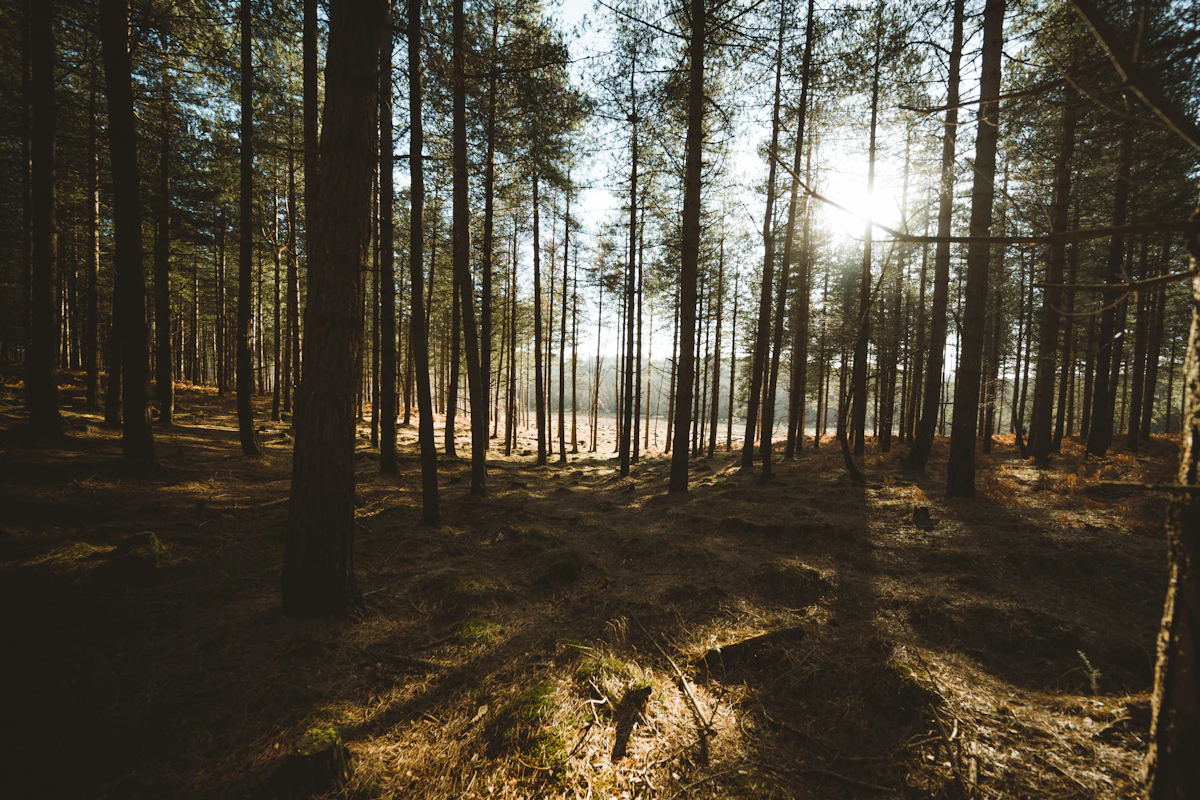
Land is one of Maine's strongest draws. Average farm real estate runs around $3,200 per acre, which is affordable by national standards, and it gets cheaper the farther north you go. The state has roughly 7,600 farms, a base of working agricultural land and the supporting culture, suppliers, and know-how that come with it.
For a buyer willing to head into the western mountains or up into Aroostook County, the cost per acre can be very reasonable, especially for wooded acreage. The catch is that cheap land and short seasons tend to go together, which we cover below. For broader context on where Maine ranks against other affordable states, see our best states for homesteading in 2026.
Climate and growing season
This is where Maine asks the most of you. Hardiness zones run from 3b in the north to 6a along the warmer coast, and the frost-free growing season ranges from about 100 to 160 days. That is short, and the difference between the cold interior and the milder coast is significant.
A 100-day season changes how you garden. Season extension is not a hobby here, it's a requirement: hoop houses, cold frames, row cover, and cold-hardy varieties are how Mainers get a full harvest. Cold-tolerant staples like potatoes, brassicas, root crops, and hardy greens do well; long-season heat lovers need protection or a head start indoors. Heating needs are high, and "mud season" in spring is a genuine seasonal reality. If you're weighing Maine against other states, our best states for homesteading in 2026 guide puts it in perspective.
Water
Water is a clear strength. Maine receives 40 to 48 inches of rainfall a year, making it a well-watered state where drought is rarely the limiting factor. Wells, springs, surface water, and ponds are common, and pasture and forest stay green without irrigation in most years.
Water rights follow the riparian doctrine, which is favorable for homesteaders. In broad terms, riparian rights tie water use to land that borders or contains the water, rather than the prior-appropriation systems common in the arid West. For most rural properties, that means reasonable use of the water on your land. As always, confirm well and surface-water rules with your town and the state before you rely on them.
Building codes and off-grid
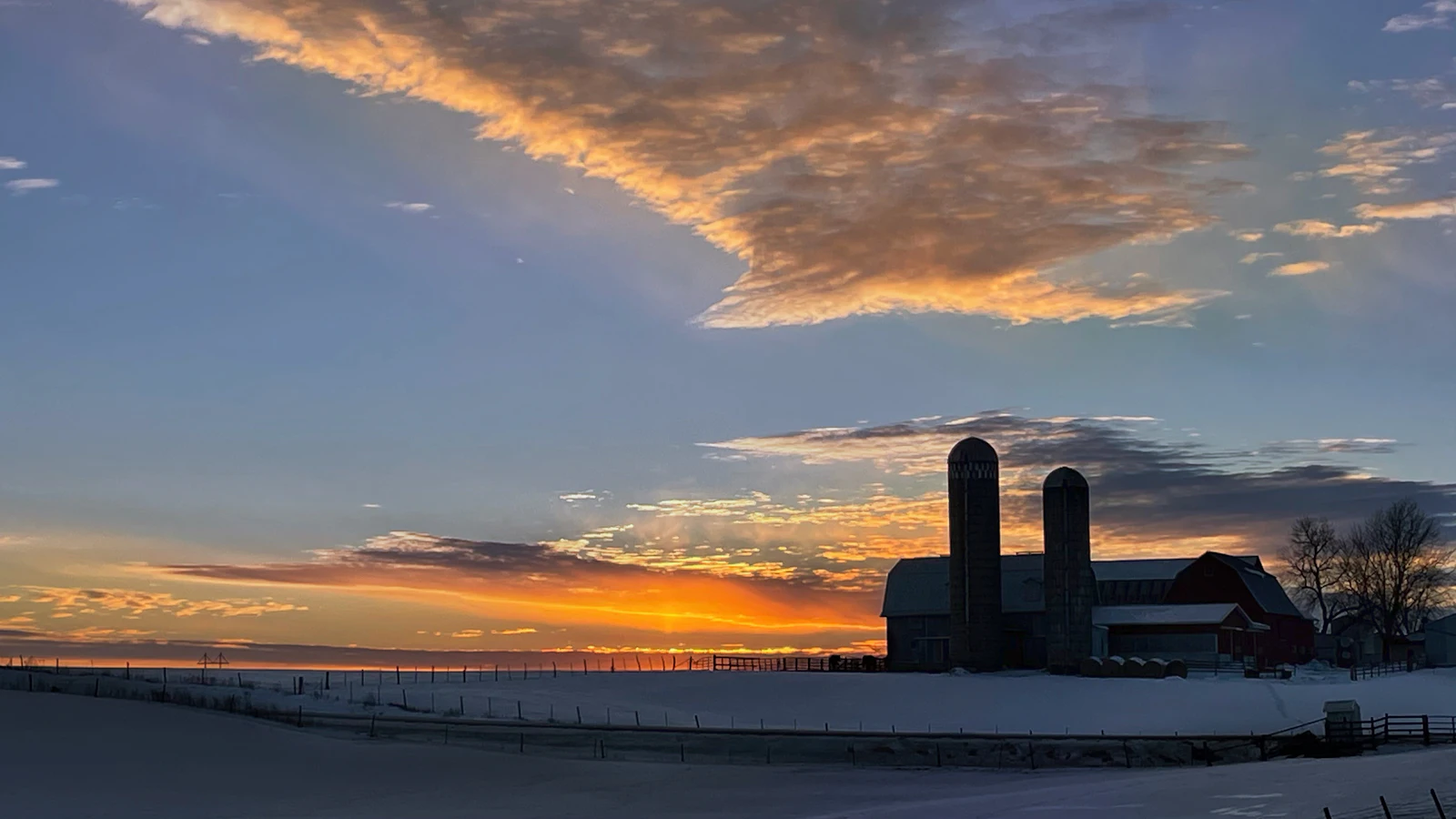
Maine's building-code picture is described as "partial," meaning statewide reach is limited and many rural towns apply codes lightly or not at all. That flexibility is one reason the state is popular with owner-builders and off-grid households.
Off-grid living is generally legal. Solar produces about 4.0 peak sun hours on average, which is modest, but Maine offers strong net metering, so a grid-tied solar setup can still pencil out well by banking summer production against winter use. Wood heat is the regional norm, and the state's forests make firewood abundant. Because enforcement varies so much from town to town, the single most important step is to call your prospective town office and ask exactly what is and isn't required before you commit to a parcel.
Food freedom: cottage food and raw milk
Food freedom is Maine's signature advantage. The Maine Food Sovereignty Act allows individual towns to regulate local food sales independently, which is among the most permissive frameworks in the US. In practice, this can mean direct producer-to-consumer sales of homemade and farm goods with far less red tape than most states impose, depending on what your town has adopted. Because the rules are set locally, check your specific town's ordinance. For the bigger picture, see our cottage food laws by state.
Raw milk is equally notable. Maine allows retail sales, meaning raw milk can be sold in stores, making it one of the most permissive states in the country on this point. If selling milk or dairy is part of your plan, read our raw milk laws by state overview alongside Maine's specific licensing rules.
Homeschooling and gun laws
Homeschooling in Maine carries a medium regulatory burden. Families file notice and complete an annual assessment, which is more involved than the lightest-touch states but well within reach of any organized household. It's a manageable process, not a barrier.
On firearms, Maine is a constitutional carry state, meaning eligible residents can carry without a separate permit. Combined with the lowest violent crime rate in the country, the overall environment is friendly to self-reliant, rurally minded families.
Best regions for homesteading
Maine breaks into a few distinct homesteading regions, each with its own balance of price, climate, and services.
Western and northern Maine
Heavily forested, remote, and the cheapest land in the state, this region has the strongest off-grid and back-to-the-land culture. It is also the coldest, with the shortest seasons and the thinnest services. Ideal for buyers who prioritize space, privacy, and low cost over convenience.
The Midcoast
Milder and scenic, the Midcoast has the longest growing seasons in the state and the most services, but you pay for it. Land and homes are pricier here, and properties move faster. A good fit for those who want a gentler climate and more community within reach.
Aroostook County
The far north is Maine's agricultural heartland, long defined by potato farming. Land here is very affordable and the soils are productive, but the season is very short and cold. It rewards serious growers who are committed to cold-climate methods and don't mind real remoteness.
Downsides and things to watch
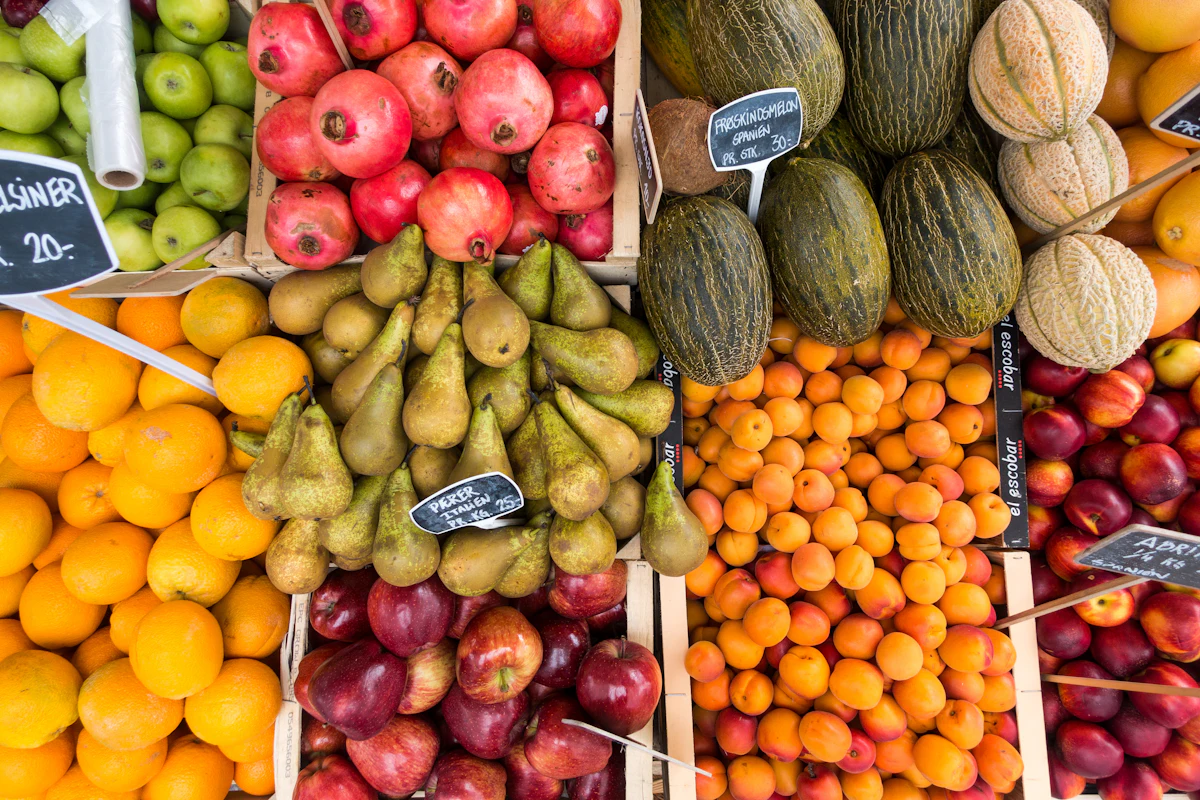
Maine is an excellent homesteading state, but it isn't an easy one, and the real costs are worth stating plainly.
- Cold and a short season. Zones 3b–6a and a 100–160 day window mean season extension and careful crop choice are non-negotiable.
- High income tax. The 7.15% top rate is a real expense, especially if you keep significant outside income.
- Remoteness and thin services. In the north, distances are long and services (medical, retail, trades) are sparse.
- Mud season and high heating needs. Spring brings mud; winter brings serious heating demand and cost.
- Medium homeschool regulation. Notice plus annual assessment is manageable but not the lightest in the country.
In short, the cold and the income tax are the genuine trade-offs. Everything else tends to favor the homesteader.
Getting started
If Maine is on your shortlist, work through these steps in order:
- Start with the region. Decide whether you're optimizing for cheap, remote, and cold (west and north) or milder and more serviced (Midcoast). This shapes everything else.
- Call the town office. Because building codes, off-grid rules, and the Food Sovereignty Act all play out locally, the town is your single most important source of truth.
- Plan for the season. Budget for season extension, cold-hardy varieties, and a real heating strategy before your first winter.
- Confirm water and well rules. Maine's riparian framework is favorable, but verify well siting and any surface-water rules for your parcel.
- Compare the numbers. Use the Maine state overview and our all-states comparison to check Maine against your other options.
Conclusion
Maine is a genuine self-sufficiency haven. Its food-freedom framework, retail raw milk, affordable northern land, abundant water and forest, strong net metering, and unmatched safety make it one of the most homestead-friendly states in the country, provided you can handle the cold and the income tax. For the right household, those trade-offs are more than worth it.
Ready to dig into the details? Start with the Maine state overview, then compare it against all 50 states to find your fit.
Frequently Asked Questions
Is Maine a good state for off-grid living?
Yes. Off-grid living is generally legal, statewide building codes have only partial reach, and many rural towns apply them lightly. Solar is modest at about 4.0 peak sun hours, but strong net metering and abundant firewood help. Because enforcement varies, confirm requirements with your specific town before buying.
Can you sell homemade and farm food in Maine?
Maine is among the most permissive states in the country. The Maine Food Sovereignty Act lets individual towns set their own rules for local food sales, and retail raw milk is legal statewide. The exact rules depend on what your town has adopted, so check your local ordinance.
How cold and short is Maine's growing season?
Hardiness zones range from 3b in the north to 6a near the coast, with a frost-free season of roughly 100 to 160 days. Season extension tools like hoop houses and cold frames, plus cold-hardy crops, are essentially required to get a full harvest.
What are the biggest downsides of homesteading in Maine?
The two real costs are the cold, short growing season and the high 7.15% income tax. Beyond those, expect remoteness and thin services in the north, mud season in spring, high heating needs, and a medium homeschool burden involving notice and an annual assessment.

 Your brand here — Reach our audience of professional directory owners and boost your sales.