Homesteading in Idaho: The Complete 2026 Guide
Light regulation, retail raw milk, and no statewide building code make Idaho a homesteader favorite. Here's the honest 2026 buyer's guide.
Written by Homestead Finder Editorial
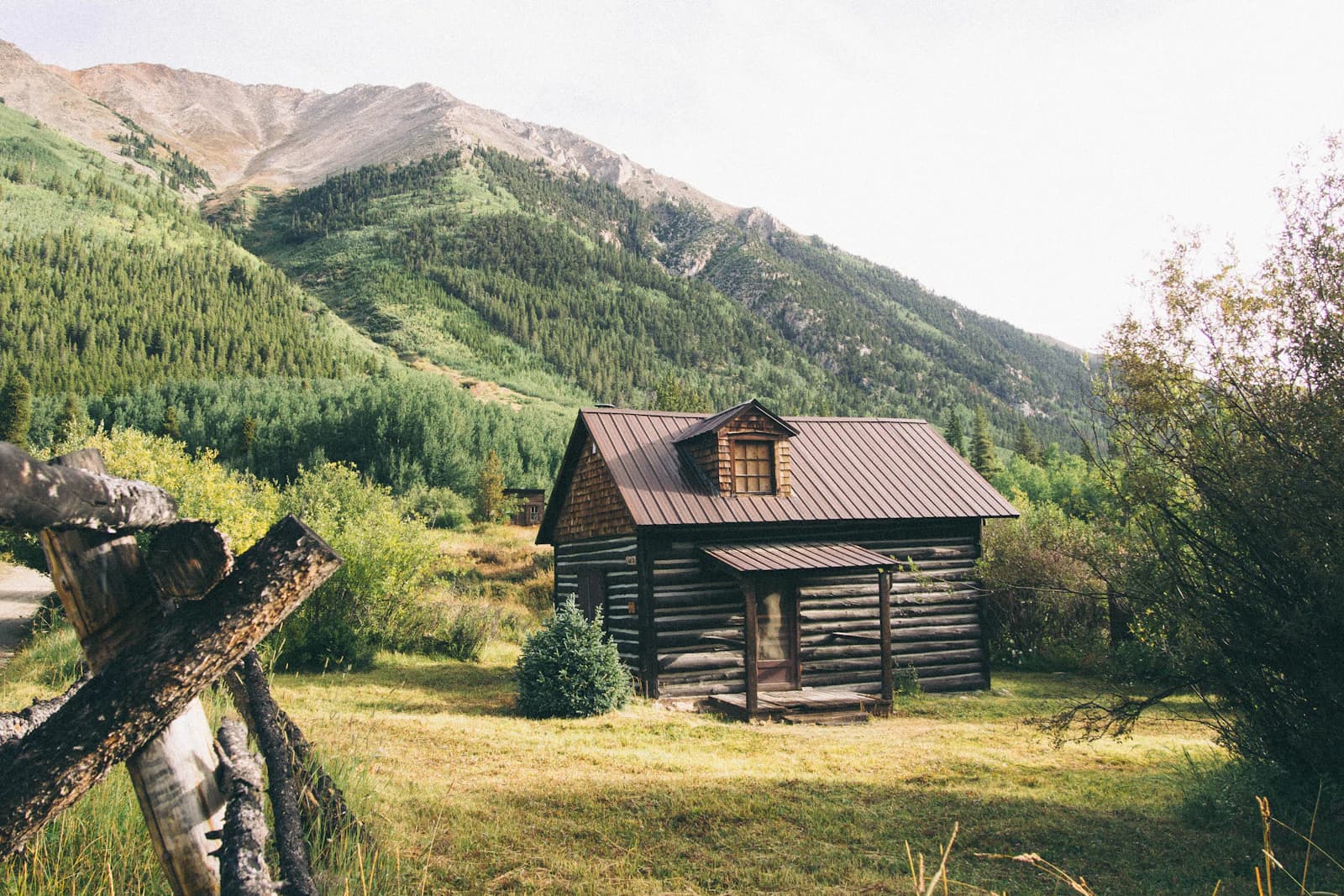
Idaho consistently lands near the top of any serious list of self-reliance states, and the reasons are practical rather than romantic: there is no statewide building code, homeschooling is effectively unregulated, raw milk can be sold at retail, and the overall regulatory touch is light. The catch is that Idaho is dry, the growing season is short in much of the state, water rights are governed by a strict "first in time, first in right" system, and land prices in the most desirable areas have climbed fast as people have moved in. This guide walks through what actually matters when you're deciding whether to buy rural land here.
For live numbers on taxes, land prices, and how Idaho ranks against other states, start with the Idaho state data page, then use this guide to understand the context behind those figures.
Idaho at a glance
| Factor | Detail (2026) |
|---|---|
| State income tax (top rate) | 5.3% |
| Sales tax | 6% |
| Business climate rank | #11 |
| Homestead exemption | $125,000 |
| Avg. farm real estate | ~$4,180/acre |
| Number of farms | ~25,000 |
| USDA hardiness zones | 3b–7b |
| Annual rainfall | 10–25 inches (arid) |
| Growing season | 120–160 days |
| Water rights | Prior Appropriation |
| Statewide building code | None |
| Off-grid living | Generally legal |
| Homeschool regulation | None (lightest tier) |
| Gun laws | Constitutional Carry |
| Raw milk | Retail sales legal |
| Cottage food | Permitted with registration |
| Cannabis | CBD only (very strict) |
| Violent crime | ~237 per 100k (low) |
| Political lean | R+18 |
Why Idaho for homesteading
Idaho's appeal comes down to a stack of policies that, taken together, leave self-reliant families largely alone. There is no statewide building code, so what you can build and how you build it is determined locally rather than from the capitol. Homeschooling carries no registration, testing, or reporting requirements, which puts Idaho among the lightest-regulation states in the country for educating your own children. Add Constitutional Carry, a low violent crime rate of roughly 237 per 100,000, and a strongly conservative political culture (R+18), and you get a state where the practical day-to-day friction of running a homestead is unusually low.
That light-regulation profile is part of a broader pattern you can compare across the country in our roundup of the best states for homesteading in 2026. Idaho earns its place there, but the reasons it works for one family may be the reasons it frustrates another, so read the downsides section before you commit.
Taxes and cost of living
Idaho's tax picture is moderate. The state levies an income tax with a top rate of 5.3%, and sales tax is 6%. Neither is punishing, and the state's #11 business climate ranking reflects a generally friendly environment if you plan to sell farm products, run a side business, or eventually formalize a homestead operation.
The standout for property owners is the homeowner's property-tax exemption, which removes 50% of your primary residence's assessed value, up to $125,000, from the taxable amount. That is a meaningful break for a family putting savings into land and a house. (Idaho also offers a separate homestead exemption that shields home equity from most creditors.) Cost of living across rural Idaho remains reasonable for groceries, fuel, and services, though the popular relocation corridors have seen housing and land prices rise sharply, which we cover below.
Land and farms
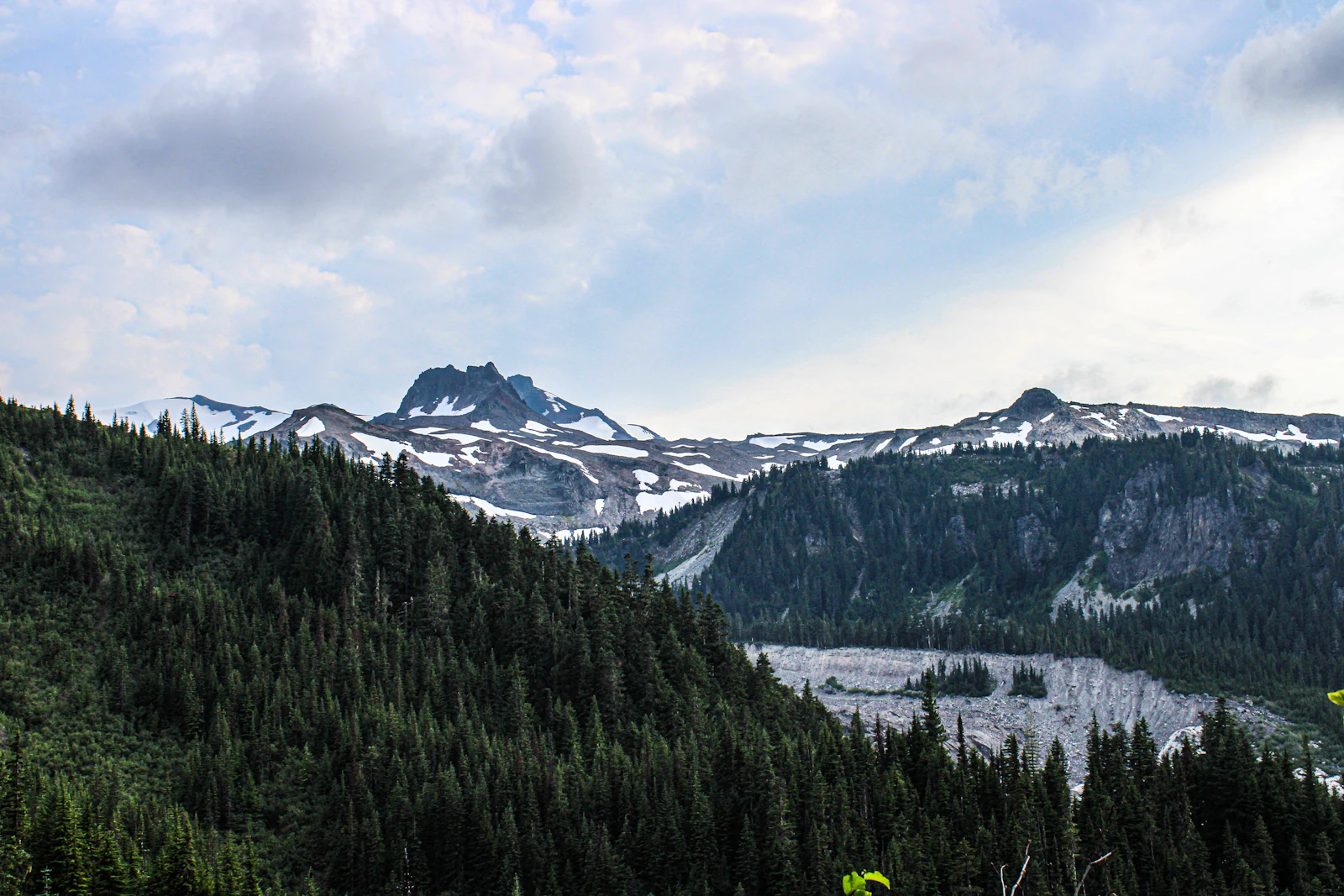
Idaho has roughly 25,000 farms, and average farm real estate runs about $4,180 per acre. That statewide average hides enormous variation. Irrigated cropland on the Snake River Plain commands a premium because the water rights attached to it are valuable. Dry rangeland and forested mountain parcels can be far cheaper per acre, but they come with their own constraints: no irrigation, steep or rocky ground, limited road access, and short seasons at elevation.
When you evaluate a parcel, the headline price per acre is only the starting point. What the land can actually do for you depends on water, slope, soil, access, and elevation far more than on the asking price. Browse and compare other states on the all states overview if you want to see how Idaho's land economics stack up against neighbors.
Climate and growing season
Idaho spans USDA hardiness zones 3b through 7b, which is a wide range. The warmer end of that spectrum sits in the lower river valleys; the cold end is in the high-elevation east and the mountains. Your growing season will fall somewhere between 120 and 160 days depending on where you land, and elevation is the single biggest variable. A valley floor near Boise or in the Magic Valley gives you a workable season for a serious garden, orchard, and most field crops. A high mountain parcel in eastern Idaho may see frost in any month and limit you to cold-hardy crops, season extension, and greenhouses.
Plan your homestead around the season you'll actually get, not the season you hope for. Cold frames, hoop houses, and cold-hardy varieties are standard equipment for Idaho homesteaders, especially above the valley floors.
Water
Water is the issue that separates a good Idaho parcel from a frustrating one. The state is arid, receiving only 10 to 25 inches of rainfall a year, so most productive agriculture depends on irrigation rather than rain. Idaho follows the Prior Appropriation doctrine: water rights are allocated by seniority ("first in time, first in right"), and they are a separate, transferable property interest from the land itself.
The single most important step before buying is to confirm in writing whether water rights convey with the parcel and what their priority date and limits are. A property with senior, deeded irrigation rights is worth far more in practical terms than an identical parcel without them, because in a dry year senior rights get filled first and junior rights may not get water at all. Verify domestic and stock-watering rights, well permits, and any irrigation district membership before you sign. Do not assume that because there's a creek, a well, or a ditch on the property, you have the legal right to use that water.

Building codes and off-grid living
Idaho has no statewide building code, which gives counties and cities the authority to set their own rules. In practice this means requirements vary widely from county to county. Some jurisdictions enforce permits and inspections similar to anywhere else; others are far more relaxed about owner-built structures, alternative construction, and outbuildings. Off-grid living is generally legal in Idaho, and solar, well water, and septic or composting systems are all common on rural homesteads here.
Because the rules are set locally, the only reliable approach is to call the specific county's planning and building department before you buy and ask exactly what they require for the structure and systems you intend to build. If minimal building oversight is a priority for you, compare Idaho with other options in our guide to the best states with no building codes.
Food freedom: cottage food and raw milk
This is one of Idaho's genuine advantages for income-minded homesteaders. Raw milk can be sold at retail in Idaho, not just on the farm or through a herd-share workaround. For a family with a few dairy cows or goats, that turns surplus milk into a real, legal income stream rather than a regulatory headache. Idaho's approach stands out compared with much of the country; see how it compares in our raw milk laws by state breakdown.
Cottage food is also permitted in Idaho with registration, which lets you sell certain home-produced, shelf-stable goods directly to consumers. Between cottage food and retail raw milk, Idaho gives small producers more legal room to earn from the homestead than many states do. As always, confirm the current rules and any labeling, testing, or facility requirements with state and county authorities before you start selling.
Homeschooling and gun laws
Idaho is one of the easiest states in the country to homeschool. There is no registration, no required testing, no reporting, and no curriculum approval. Parents simply educate their children, which is a significant draw for families building a self-reliant life and wanting full control over their kids' education.
On firearms, Idaho is a Constitutional Carry state, meaning eligible adults can carry without a permit. Combined with the state's low violent crime rate and rural character, this is part of the broader self-reliance appeal that draws homesteaders here.
Best regions for homesteading
Idaho is really several distinct regions, and the right one depends on what you value.
The Panhandle / North Idaho is forested, gets more rainfall than the rest of the state, and has become very popular with off-gridders and people relocating for privacy and independence. The tradeoff is that this popularity has driven prices up and growth has been rapid, so the deals are harder to find than they were a decade ago. The wetter climate and timber make it attractive if you want woodland, more reliable moisture, and a forested setting.
The Magic Valley and Snake River Plain are the agricultural heart of Idaho. This is irrigated farm country, productive and capable of supporting serious cropping and livestock, but it is entirely dependent on water rights. A parcel here lives or dies on the irrigation rights attached to it. If you want to farm at scale and you do your water-rights homework, this region is hard to beat.
Eastern and high-elevation Idaho offers more space and often lower land prices, but you pay for it with a short growing season and cold winters. This is rugged, beautiful country suited to livestock, cold-hardy gardening, and people who are comfortable with a tougher climate. Don't underestimate how much elevation shortens your season here.
If you're weighing Idaho against a similar Rocky Mountain neighbor, our Montana homesteading guide covers many of the same tradeoffs around space, climate, and water.
Downsides and things to watch
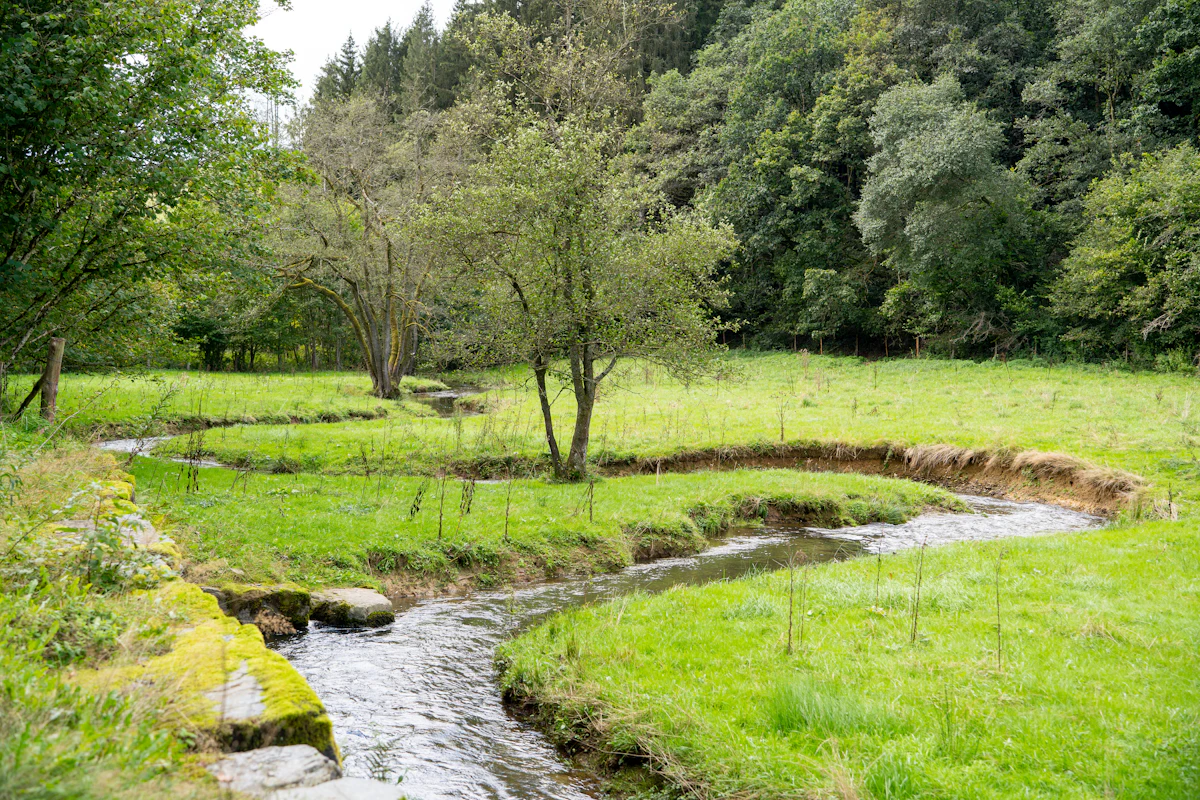
Idaho is honest work, not an easy paradise. The biggest constraints are real:
- Aridity. With 10 to 25 inches of rain a year, you cannot rely on rainfall for serious production. Irrigation, water storage, and water-wise practices are not optional in most of the state.
- Water rights complexity. Prior Appropriation means the water is legally separate from the land. A parcel without solid, senior water rights can be far less useful than its price suggests. This is the number-one thing to verify.
- Short season at elevation. Much of Idaho's cheaper land is high and cold, with a season too short for some crops without season extension.
- Rising prices and population growth. The most desirable areas, especially North Idaho, have seen rapid in-migration and climbing land prices. Good parcels go fast and cost more than they used to.
- Strict cannabis laws. Idaho is notably strict on cannabis; only CBD is permitted, with no medical or recreational program. If that matters to your household, plan accordingly.
- County-by-county variation. Because there's no statewide building code, the rules that govern your build are entirely local and can differ sharply between neighboring counties.
Getting started
A sensible path into Idaho homesteading looks like this. First, decide which region fits your climate tolerance and budget, using the season length and rainfall figures above as a reality check. Second, before making an offer on any parcel, confirm in writing exactly what water rights convey, their priority date, and any well or irrigation-district details. Third, call the specific county's planning and building office and confirm what they require for your intended structures and systems. Fourth, walk the land in more than one season if you can, paying attention to access, slope, frost pockets, and how water actually moves across the property.
Use the Idaho data page to anchor your numbers and the all states comparison to make sure Idaho beats the alternatives for your situation before you commit.
Conclusion
Idaho rewards homesteaders who do their homework. The combination of no statewide building code, zero homeschool regulation, retail raw milk sales, cottage food allowances, Constitutional Carry, and a low crime rate makes it one of the most genuinely self-reliance-friendly states in the country. The price of admission is dealing honestly with aridity, mastering the prior-appropriation water system, planning around a short season at elevation, and accepting that the best regions cost more than they used to. If you go in clear-eyed about water and climate, Idaho can be an excellent place to build a self-sufficient life.
Compare Idaho against every other state and dig into the live numbers on the Idaho state page to start narrowing down your search.
Frequently Asked Questions
Is off-grid living legal in Idaho?
Yes, off-grid living is generally legal in Idaho, and there is no statewide building code. Specific requirements for structures, septic, and water systems are set at the county level, so confirm the rules with the planning and building department in the county where you're buying.
Can I sell raw milk in Idaho?
Yes. Idaho allows retail sales of raw milk, which makes it a viable income stream for dairy homesteaders. Confirm the current licensing, testing, and labeling requirements with state and county authorities before you begin selling.
What's the catch with water in Idaho?
Idaho is arid (10–25 inches of rain a year) and uses Prior Appropriation water rights, where water is a separate, seniority-based property interest from the land. Always confirm in writing whether water rights convey with the parcel, along with their priority date and limits, before buying.
How strict is Idaho on homeschooling?
Idaho is among the least regulated states for homeschooling, with no registration, testing, or reporting requirements. Parents have broad freedom to educate their children at home.
Data reflects 2026 conditions and is intended as a starting point. Laws, taxes, building codes, and water rights are administered locally and change over time, so always verify the specific rules with the relevant county and state offices before making a purchase.

 Your brand here — Reach our audience of professional directory owners and boost your sales.