Homesteading in Florida: The Complete 2026 Guide
Florida homesteading in 2026: no income tax, an unlimited homestead exemption, near year-round growing, plus the hurricane and cost trade-offs to weigh.
Written by Homestead Finder Editorial
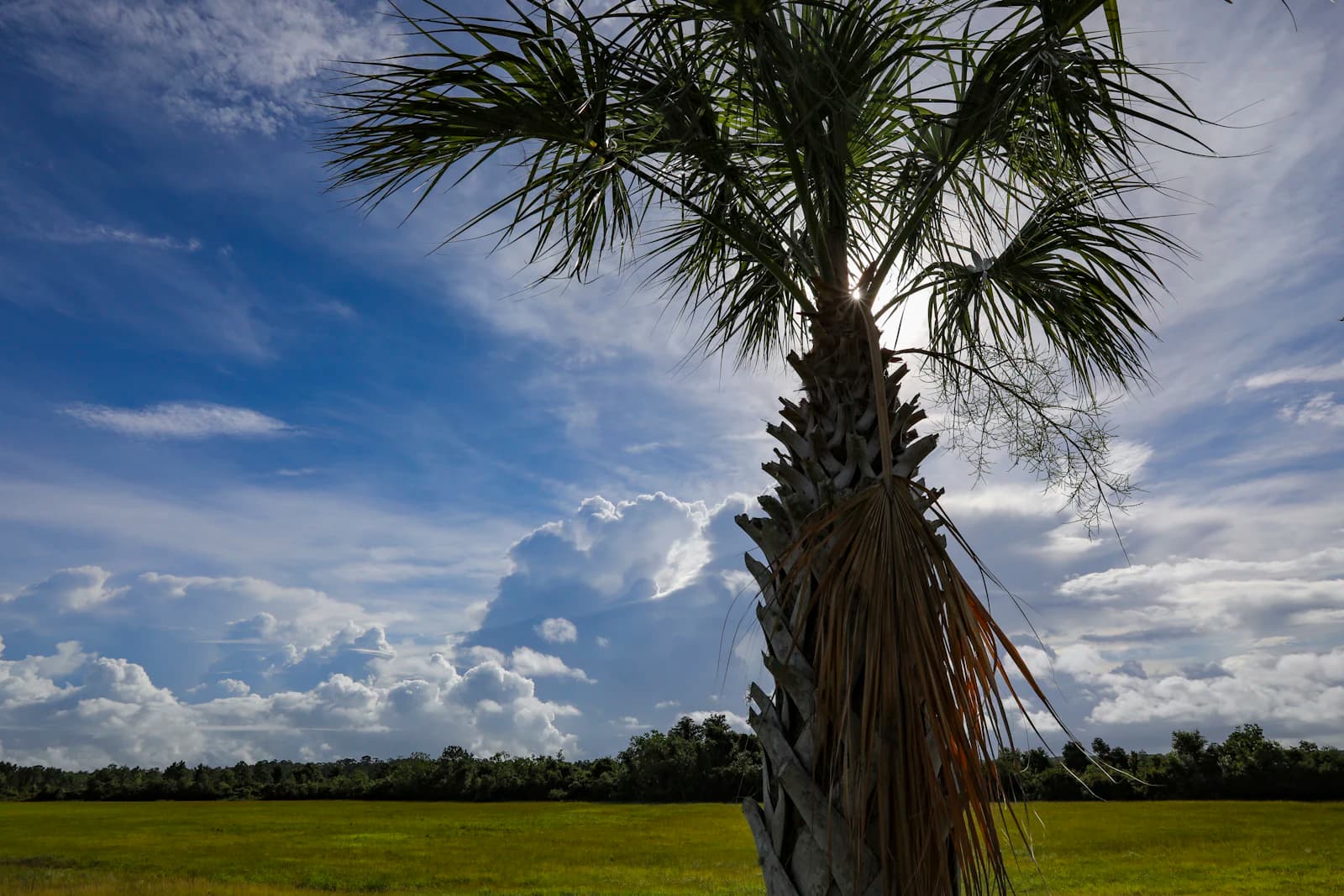
Florida is one of the most talked-about states for homesteaders, and for good reason. It pairs no state income tax with a near year-round growing season and the most generous homestead protection in the country. But the headline benefits come with real trade-offs: hurricanes, a strict statewide building code, intense heat and humidity, and fast-growing, expensive metros. This guide digs into the details so you can decide whether Florida fits your plans.
For a quick data snapshot and side-by-side comparisons, start with our Florida state overview, then come back here for the practical context. You can also browse all 50 state guides.
All figures below reflect 2026 conditions. Rules vary significantly by county and municipality, so always verify locally before you buy land or build.
Florida at a glance
| Factor | Details |
|---|---|
| State income tax | None |
| Sales tax | 6% (counties may add more) |
| Business-climate rank | #4 (Tax Foundation) |
| Homestead exemption | Unlimited creditor/asset protection on primary residence; separate property-tax exemption |
| Avg. farm real estate | ~$4,200/acre |
| Number of farms | ~44,000 |
| USDA hardiness zones | 8a-11 |
| Annual rainfall | 45-65 inches |
| Growing season | 240-365 days |
| Water rights | Riparian (favorable) |
| Off-grid living | Generally legal |
| Building codes | Strict statewide (Florida Building Code) |
| Homeschool regulation | Low |
| Gun laws | Constitutional carry |
| Raw milk | Restricted (on-farm/"pet" milk only) |
| Cottage food | Good (many foods allowed) |
| Cannabis | Medical only |
| Violent crime | ~533 per 100k (metro-driven) |
| Political lean | R+3 |
| Solar potential | ~4.8 peak sun hours |
Why Florida for homesteading
Florida's draw comes down to a few standout features. There is no state income tax, which keeps more of your farm or off-farm income in your pocket. The Tax Foundation ranks Florida #4 in the country for business climate, so side ventures, farm stands, and small enterprises face a friendly environment.
The biggest differentiator is asset protection. Florida's homestead exemption is unlimited in value, giving your primary residence a near-complete shield from most creditors. For homesteaders investing their savings into land and a home, that protection is genuinely rare.
Add a growing season that can run all year in the south, and you have a state that lets you produce food when much of the country is frozen. If year-round production is your priority, see our guide to the warmest states for year-round gardening.
Taxes and cost of living
Florida's tax picture is one of its strongest selling points. There is no state income tax at all, and the state sales tax is 6% (individual counties can add a local surtax on top, so check your county rate).
The property-tax homestead exemption is separate from the creditor protection and reduces the taxable value of your primary residence. Combined with Florida's "Save Our Homes" assessment cap, long-term owners often see their tax growth stay modest even as market values climb. To see how this compares nationally, browse our breakdown of homestead exemptions by state.
Cost of living is where the picture gets uneven. Rural North Florida and the Panhandle remain affordable, but the major metros and coastal areas have grown fast, with rising home prices, dense development, and widespread HOAs. Insurance is a real budget line too, since hurricane and flood exposure pushes premiums well above the national norm in many areas.
Land and farms
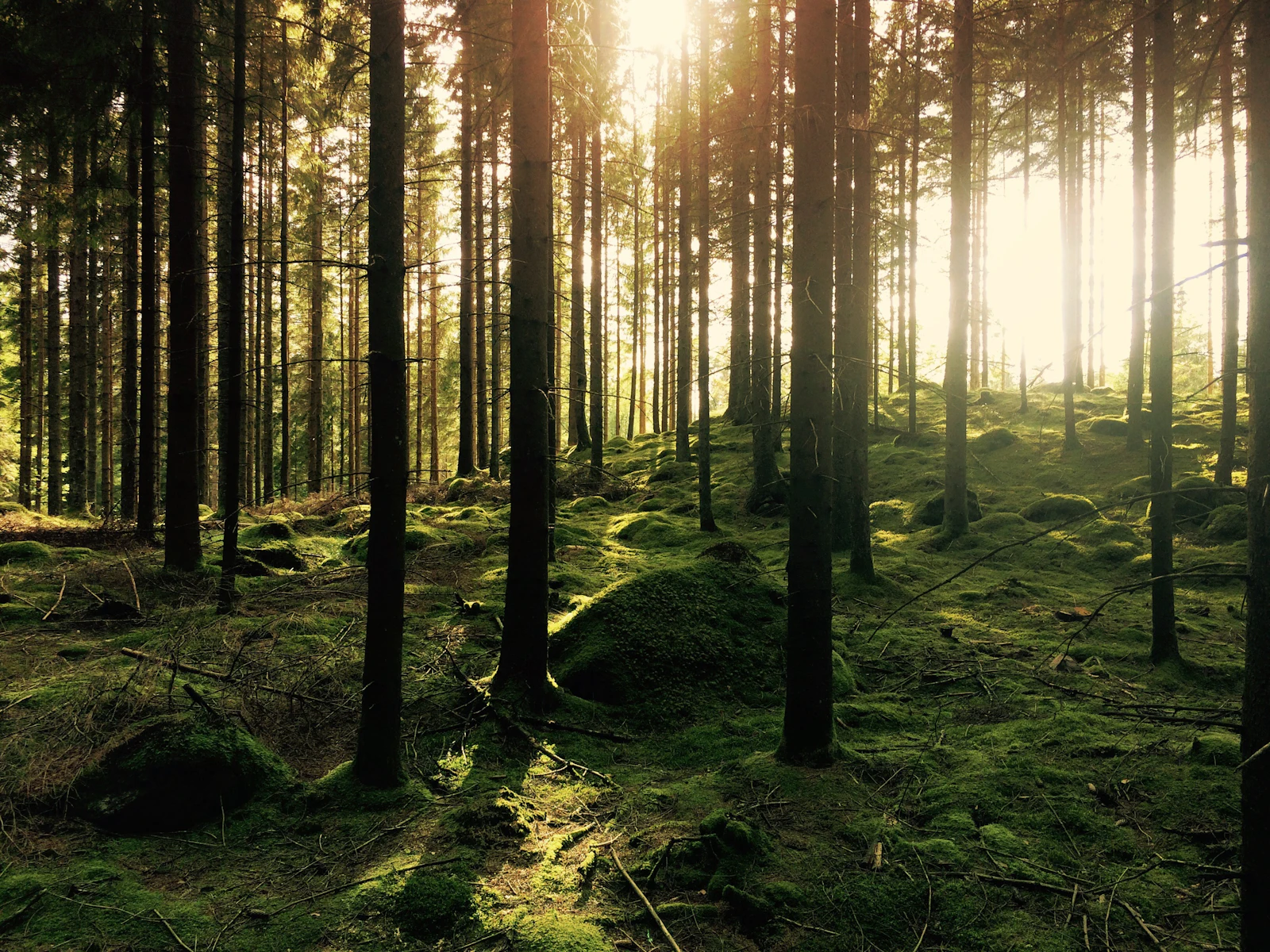
Florida has roughly 44,000 farms, and average farm real estate runs around $4,200 per acre statewide. That average hides a wide range: cleared, irrigated, road-accessible acreage near growth corridors costs far more, while raw rural parcels in the Panhandle or interior can be considerably cheaper.
When evaluating land, look closely at soil. Many parts of Florida have sandy, low-nutrient soils that drain quickly and need ongoing amendment and organic matter to hold water and fertility. Wetland designations, flood zones, and drainage are also critical to check before you commit, since they affect both what you can build and what you can grow.
The unlimited homestead exemption carries acreage limits worth knowing: roughly half an acre inside a municipality, or up to 160 acres outside one. That structure rewards buying rural land outside city limits if maximizing protected acreage matters to you.
Climate and growing season
Florida spans USDA hardiness zones 8a through 11, the warmest range in the continental United States. The growing season runs from about 240 days in the north to a full 365 days in the deep south, where frost is rare to nonexistent.
Rainfall is generous at 45 to 65 inches per year, though it arrives unevenly, with a pronounced wet season in summer and drier winters. That pattern shapes what works: heat-loving crops, citrus, tropical fruit, and warm-season vegetables thrive, while many temperate crops need a North Florida winter or careful timing.
The flip side of all that warmth is relentless heat, humidity, and pest pressure. Insects, fungal disease, and weeds never get the hard winter reset that colder states rely on, so pest management and resilient varieties matter more here than almost anywhere else.
Water
Florida follows a riparian water-rights system, which is generally favorable for homesteaders: landowners adjacent to a water source have reasonable-use rights. Combined with abundant rainfall and a high water table in much of the state, water access is rarely the limiting factor it can be out West.
That said, water management is its own discipline here. Drainage, flooding, and water quality often matter more than supply. Wells are common, but in some areas you'll deal with high mineral content or saltwater intrusion near the coast, so test before you rely on a source.
Building codes and off-grid
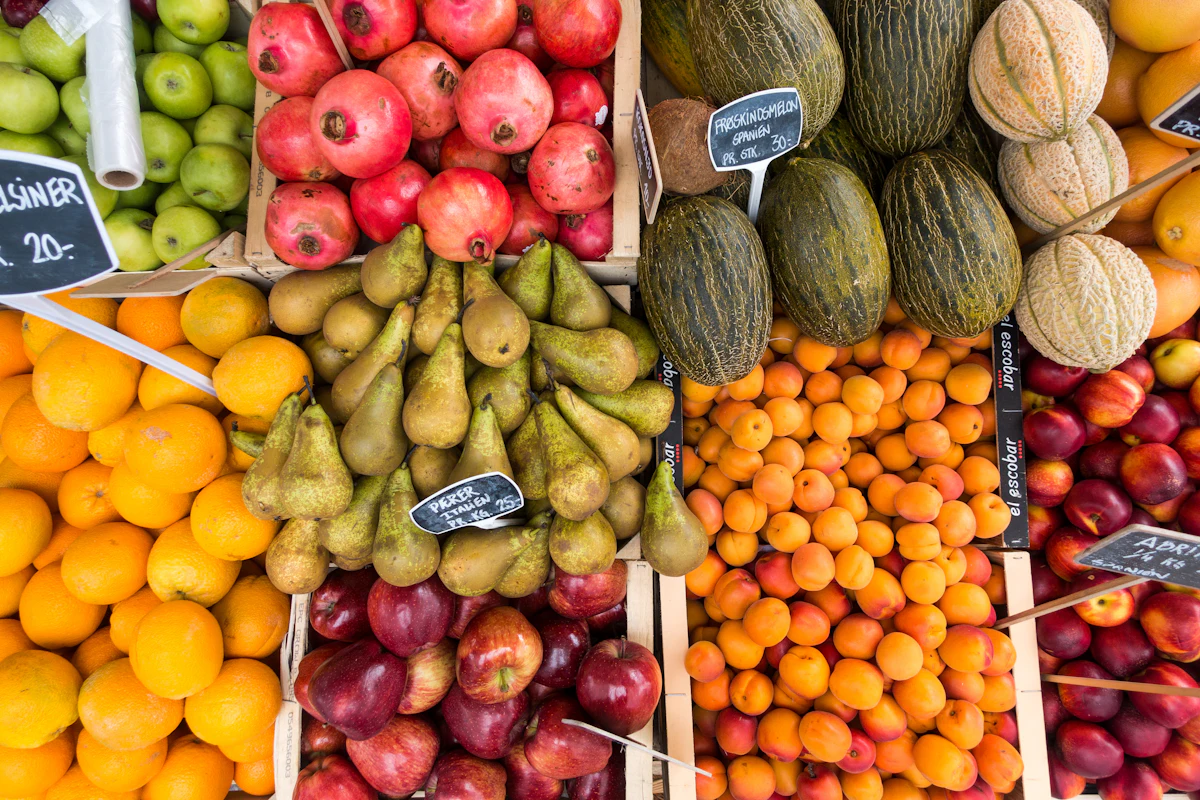
Off-grid living is generally legal in Florida, but building is where the state earns its reputation for difficulty. Florida enforces a strict statewide building code, the Florida Building Code, with some of the most stringent hurricane and wind-rating requirements in the nation.
In practice, that means significant permitting and engineering for any structure, including off-grid or alternative builds. Tiny homes, cabins, and unconventional construction all have to meet wind-load standards, which raises costs and limits the DIY shortcuts homesteaders take in less-regulated states. It's not that off-grid is banned; it's that everything you build has to survive a hurricane, and the code makes sure of it. Plan your budget and timeline accordingly, and confirm requirements with your county.
Food freedom: cottage food and raw milk
Florida's cottage food laws are good, allowing many home-produced foods to be sold directly without a commercial kitchen, which makes farm stands and small home-based food businesses viable.
Raw milk is the notable restriction. Florida does not allow retail sale of raw milk for human consumption; it is typically sold only as on-farm "pet" milk. If dairy is central to your plans, understand that you can keep animals and use raw milk yourself, but the path to selling it legally is narrow. Cannabis is medical-only, for those weighing the broader regulatory climate.
Homeschooling and gun laws
For families, Florida is accommodating on two fronts that homesteaders often ask about. Homeschool regulation is low, giving parents broad flexibility in how they educate at home with minimal state oversight.
On firearms, Florida is a constitutional-carry state, meaning a permit is not required to carry in most circumstances. For rural property owners managing predators and livestock, that legal environment is straightforward, though you should always confirm current specifics and any local restrictions.
Best regions for homesteading
Florida is really three distinct homesteading climates, and the right region depends on your priorities.
North Florida and the Panhandle
This is the homesteading sweet spot for many. It's cooler, more rural, and more affordable, with real winters that allow temperate crops alongside warm-season ones. Land is cheaper, density is lower, and the lifestyle is closer to traditional rural homesteading than the rest of the state.
Central Florida
The citrus ridge, lakes, and mixed agriculture define central Florida. It's a productive middle ground, but growth pressure is intense as metros expand, which pushes up land prices and brings more development and HOAs.
South Florida
South Florida offers true year-round, tropical growing where frost is essentially absent. The catch is that it's expensive, dense, and the most hurricane-exposed part of the state. It rewards a specialized tropical homestead but demands a bigger budget and a higher risk tolerance.
For a neighboring option with a different balance of cost and climate, compare our Georgia homesteading guide.
Downsides and things to watch
Florida's trade-offs are serious, and worth weighing honestly before you commit.
- Hurricanes are the defining hazard. The risk shapes insurance costs, building requirements, and where it's wise to settle.
- The strict building code makes construction slower and more expensive, even though off-grid is legal.
- Heat, humidity, and pest pressure are relentless and never get a winter reset.
- Sandy, low-nutrient soils are common and require ongoing amendment.
- Flood and insurance costs can be a major recurring expense, especially near the coast.
- Fast-growing, HOA-heavy metros drive up prices and restrict land use in much of central and south Florida.
Statewide violent crime sits around 533 per 100,000, but that figure is metro-driven; rural areas are generally safer. The state's political lean is R+3, for those factoring it in.
Getting started
If Florida is on your shortlist, a sensible path looks like this:
- Pick your region first. North Florida and the Panhandle suit traditional, affordable homesteading; the south suits tropical, year-round specialists with bigger budgets.
- Verify county and municipal rules before buying. Zoning, building, well, and septic requirements vary widely.
- Check soil, flood zone, and wetland status on any parcel before you commit.
- Budget realistically for insurance and hurricane-rated construction, not just land and a home.
- Confirm the homestead exemption strategy for your situation, including the acreage limits inside versus outside a municipality.
For broader context on how Florida stacks up, see our roundup of the best states for homesteading in 2026.
Conclusion
Florida offers a compelling package: no state income tax, a top-five business climate, unmatched homestead asset protection, and a growing season that can run all year. Those are real advantages few states can match. But the state asks for something in return: respect for hurricane risk, patience with a strict building code, and a plan for heat, pests, soil, and insurance. Go in clear-eyed and choose your region carefully, and Florida can be a rewarding place to build a homestead.
Ready to compare your options? Explore the Florida overview and our full set of state guides to find your fit.
Frequently Asked Questions
Is off-grid living legal in Florida?
Yes, off-grid living is generally legal in Florida. The challenge isn't legality but construction: the strict statewide Florida Building Code, with stringent hurricane and wind-rating requirements, means significant permitting and engineering for any structure, including alternative and off-grid builds. Confirm specifics with your county.
What makes Florida's homestead exemption special?
Florida's homestead exemption is unlimited in value, providing one of the most complete creditor and asset protections in the country for a primary residence. Acreage caps apply, roughly half an acre inside a municipality or up to 160 acres outside one. A separate property-tax homestead exemption reduces your home's taxable value.
Can I sell raw milk on a Florida homestead?
Not for human consumption through retail channels. Florida restricts raw milk sales, which are typically limited to on-farm "pet" milk only. You can keep dairy animals and use raw milk yourself, but selling it legally for people to drink is not permitted.
Where is the best place to homestead in Florida?
For most traditional homesteaders, North Florida and the Panhandle are the sweet spot: cooler, more rural, more affordable, and with real winters that allow temperate crops. South Florida offers true year-round tropical growing but is expensive, dense, and the most hurricane-exposed region.

 Your brand here — Reach our audience of professional directory owners and boost your sales.