Homesteading in Colorado: The Complete 2026 Guide
Colorado offers low sales tax, no statewide building code, and great solar, but water is the make-or-break constraint. An honest 2026 guide.
Written by Homestead Finder Editorial
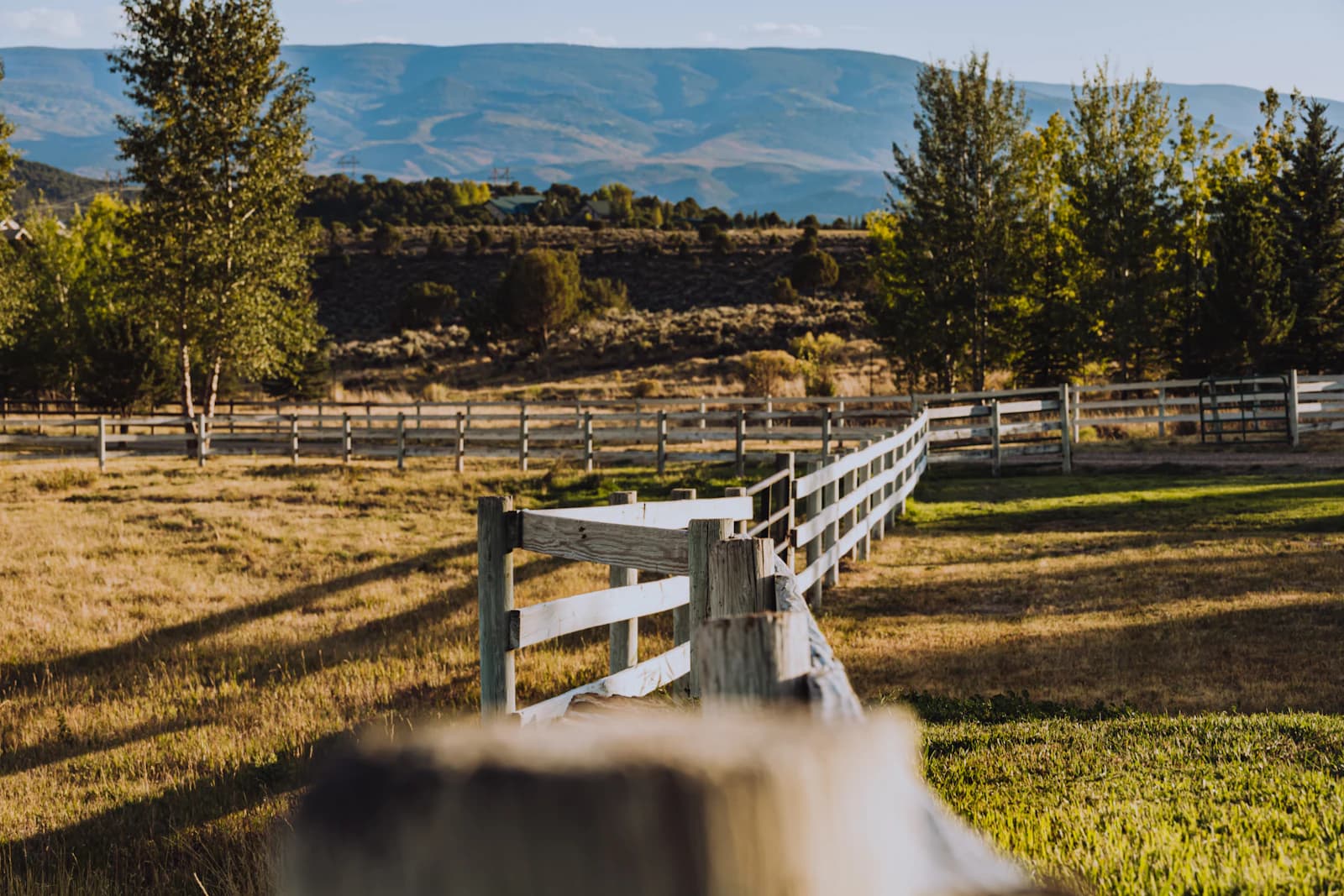
Colorado is on a lot of homesteading shortlists, and it's easy to see why: the lowest state-level sales tax in the country, no statewide building code, recreational cannabis, and some of the best solar resource in the nation. But Colorado is also one of the more demanding places to build a self-sufficient life, and the reason is water. Strict prior-appropriation law, a long history of restricting rainwater collection, and tight limits on what a domestic well may legally pump make water access the single factor that can make or break a parcel here.
This guide covers what actually matters when weighing Colorado against other states: taxes, land prices, climate, building rules, food freedom, and above all, water. For live, side-by-side numbers, see the Colorado state data page, and use the full states comparison to benchmark Colorado against everywhere else. All figures here reflect 2026, and county rules vary, so always verify locally before you buy.
Colorado at a Glance
| Factor | Colorado |
|---|---|
| State income tax | 4.63% (flat) |
| Sales tax | 2.9% (lowest state rate; local add-ons are significant) |
| Business climate rank | #32 |
| Homestead exemption | $200,000 |
| Avg. farm real estate | ~$2,850/acre |
| Number of farms | ~39,000 |
| USDA hardiness zones | 4a–7b |
| Annual rainfall | 10–60 inches (arid plains to wet mountains) |
| Growing season | 100–180 days |
| Water rights | Prior Appropriation (strict) |
| Statewide building code | None |
| Off-grid living | Generally legal |
| Homeschool regulation | Low |
| Gun laws | Shall-Issue concealed carry |
| Raw milk | On-farm / herdshare |
| Cannabis | Recreational |
| Violent crime | ~407 per 100k |
| Political lean | D+6 |
Why Colorado for Homesteading
Colorado's draw is a genuine mix of freedom and resource advantages. On taxes, the state runs a flat 4.63% income tax and just a 2.9% state sales tax, the lowest state-level rate in the country, though local add-ons can push the effective rate much higher. The state also offers a fairly generous $200,000 homestead exemption on the assessed value of a primary residence.
On the freedom side, Colorado has no statewide building code, which gives owner-builders real latitude in remote counties. Off-grid living is generally legal, homeschooling oversight is low, and cannabis is fully legal for recreational use. The state's roughly 39,000 farms support a working agricultural culture, from Eastern Plains ranching to Western Slope orchards.
And then there's the sun. Colorado averages about 5.3 peak sun hours, excellent solar resource that makes off-grid power genuinely practical across much of the state. If a solar-powered homestead is your goal, Colorado is one of the stronger states for it; see our roundup of the best states for off-grid solar. For a wider gut check against peers, the best states for homesteading in 2026 comparison is a useful starting point.
Taxes and Cost of Living
The tax headline reads well but needs an asterisk. The flat 4.63% income tax is simple and middling. The 2.9% state sales tax is the lowest in the nation, but Colorado lets cities, counties, and special districts add their own sales taxes on top, and those local add-ons are significant. In practice the combined rate you pay at the register in many areas is far above 2.9%, so don't budget around the state figure alone, check the actual combined rate for the specific area you're considering.
Cost of living is where Colorado's reputation as an affordable homestead falls apart. The statewide average farm real estate figure of about $2,850 per acre is already higher than many Western peers, and it hides enormous variation: Front Range and mountain-resort land trades far above it, while the arid Eastern Plains pull the average down. Colorado's business climate ranks #32, middling if your homestead doubles as a small enterprise.
The honest summary: Colorado's low sales tax masks a homestead that is generally pricier and more regulated than that single number implies, especially anywhere near Denver, Boulder, Fort Collins, or the resort corridors. If raw affordability is your top filter, compare Colorado against the cheapest states to buy homestead land before committing.
Land and Farms
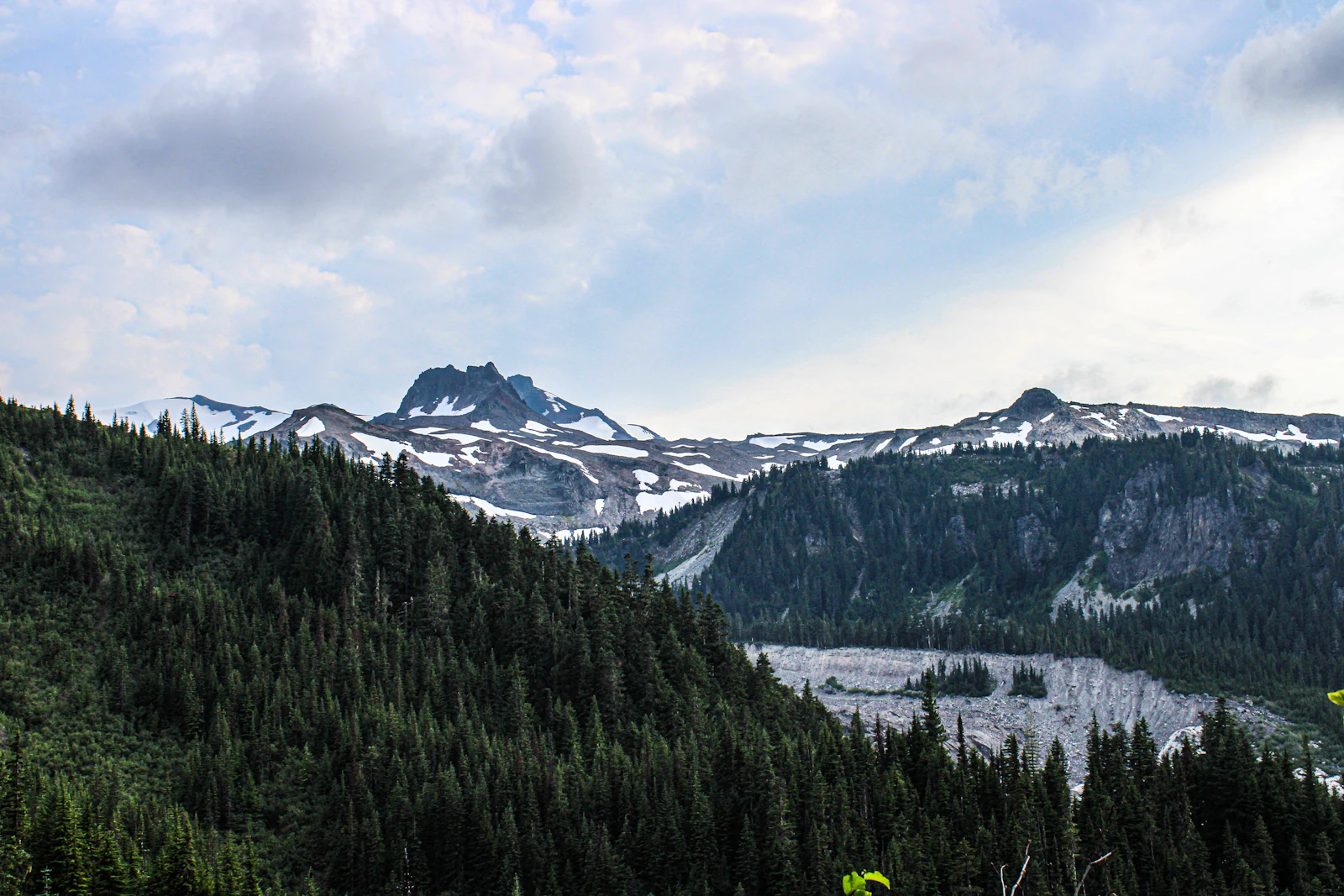
Colorado is really several land markets at once. With around 39,000 farms and an average farm real estate value near $2,850 per acre, the statewide number is only a rough anchor. The cheapest land sits on the arid Eastern Plains, where dryland farming and ranching dominate and water is the limiting factor. The most expensive land clusters along the Front Range corridor and near mountain resort towns, where demand and development pressure drive prices well above the average.
When you evaluate a parcel here, the price tag is almost the least important number. Look hard at water access and what rights, if any, convey. Look at elevation, which drives your growing season and winter severity. Look at road and winter access, soil and forage quality, and wildfire exposure. A cheap parcel with no reliable, legal water is not a bargain in Colorado, it's a liability.
Climate and Growing Season
Colorado spans USDA hardiness zones 4a through 7b and a growing season that ranges from about 100 to 180 days. That's a wide spread, and elevation is the reason. Lower-elevation plains can offer a workable season, while high mountain valleys are short, cold, and prone to frost in nearly any month. Rainfall ranges dramatically too, from roughly 10 inches a year on the dry eastern plains to as much as 60 inches in the wetter mountains.
For the homesteader, elevation is the variable to plan around. At higher elevations, a short season means cold-hardy crops, season extension (hoop houses, low tunnels, cold frames), greenhouses, and careful variety selection are how you actually grow food, not optional upgrades. Perennials and livestock often make more sense than heat-loving annuals up high. Lower-elevation parcels give you more room, but typically less water. And no matter the elevation, you have to build for real cold, snow load, and frost depth, because no inspector in a remote county will force the issue for you.
Water
Water is the defining constraint of homesteading in Colorado, and it deserves more weight than any other factor on this page. Colorado is governed by strict prior appropriation, "first in time, first in right." Older water rights take priority over newer ones, and in a dry year, junior rights may receive nothing at all. This is fundamentally different from the eastern model, where owning land along water generally lets you use it.
Two Colorado-specific issues make this even sharper. First, the state has historically restricted rainwater collection, an idea that surprises buyers coming from elsewhere, because captured rain is considered part of the appropriated water system rather than something a landowner can freely harvest. Second, Colorado tightly limits domestic well permits and how much a well may legally pump. The existence of a well, or the ability to drill one, does not guarantee you the legal right to use the water you need.
The practical takeaway is unambiguous: before you buy, confirm in writing exactly which water rights convey with the parcel, their priority date, and what they permit, and confirm what a domestic well may legally pump on that specific property. A creek running through your land does not mean you may use it. This is the most common way otherwise-careful buyers get burned in Colorado, and it is worth paying a water attorney or a knowledgeable local to verify before closing, not after. Our water rights guide for homesteaders explains how prior appropriation works in plain terms.
Building Codes and Off-Grid Living
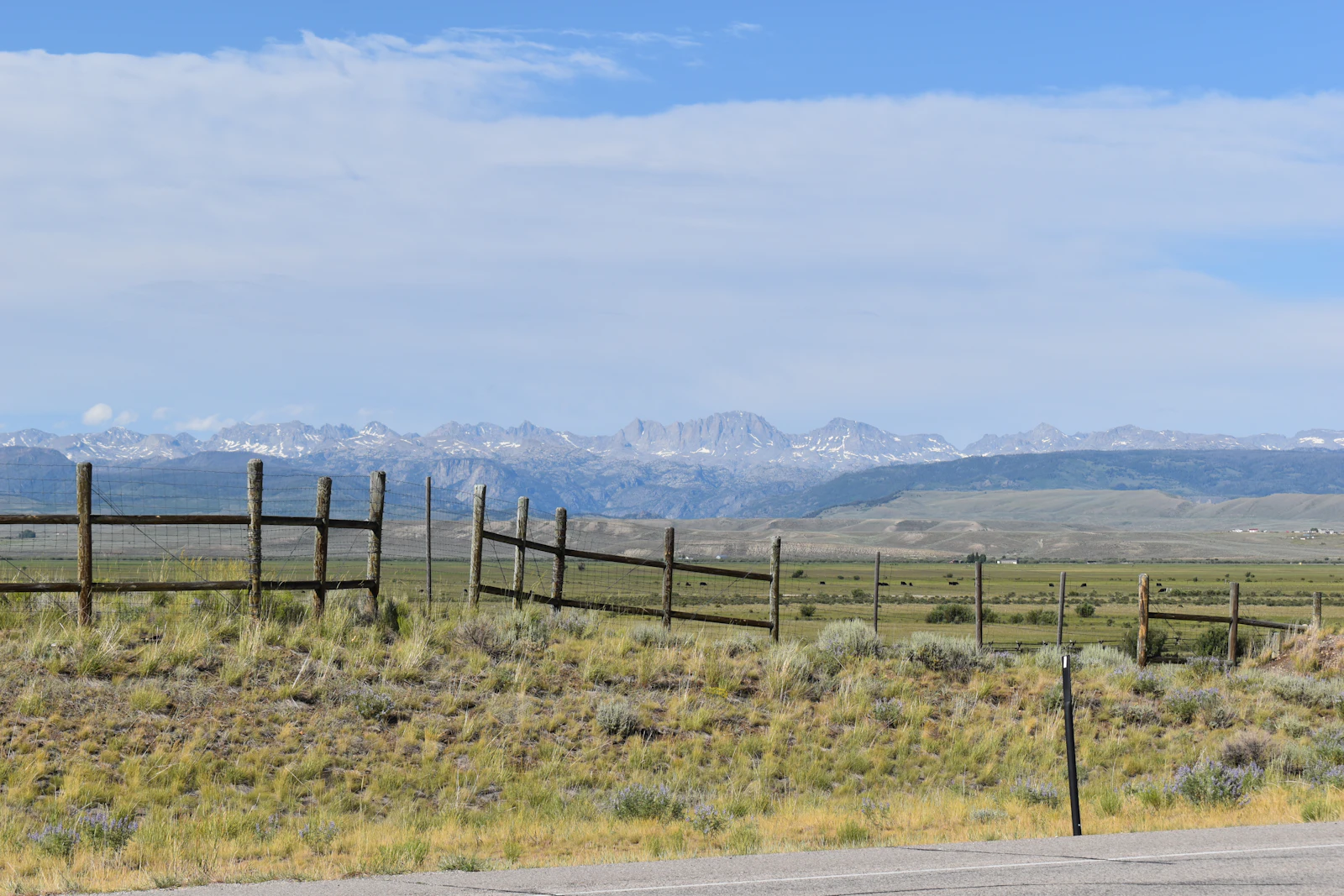
Colorado has no statewide building code, which is a real draw for owner-builders and off-grid projects. Codes are adopted locally instead, and the pattern is predictable: code adoption and enforcement are common near the Front Range and in more populous counties, and much lighter in remote, rural counties. Off-grid living is generally legal, and combined with the state's excellent solar resource, Colorado is a strong fit for self-generated power.
Two cautions apply. First, "no statewide code" does not mean "no rules anywhere." Front Range jurisdictions and many incorporated areas enforce codes actively, and septic, well, and electrical permitting often still apply even where building codes are light, so verify at the county level. Second, the absence of inspection is not permission to build poorly. At elevation, cold, snow load, and frost heave are unforgiving, and the responsibility for a sound build sits entirely with you. Colorado regularly appears alongside other freedom-friendly options in our best states with no building codes guide.
Food Freedom: Cottage Food and Raw Milk
Colorado scores reasonably well on food freedom. Cottage food sales are permitted, giving small producers a legal path to sell home-kitchen goods without the overhead of a commercial kitchen. For homesteaders looking to turn surplus produce, baked goods, or preserves into income, that lowers the barrier to a small farm business.
Raw milk is handled through on-farm and herdshare arrangements rather than open retail sale. Under a herdshare, consumers buy a share of a dairy animal or herd and receive raw milk as owners rather than as retail customers. If a dairy animal is part of your plan, this matters, so confirm the current herdshare rules and any conditions before you build around it. Food-freedom rules evolve, so verify the latest specifics with the state and your county.
Homeschooling and Gun Laws
Colorado is one of the easier states for homeschooling, with low regulatory oversight, so families have substantial freedom to direct their children's education with relatively light state involvement. Confirm the current notification and recordkeeping basics for your district, but the overall burden is manageable.
On firearms, Colorado is a shall-issue state for concealed carry, meaning qualifying applicants who meet the requirements are issued a permit rather than facing discretionary denial. This sits within a state whose politics lean D+6, more regulated than the constitutional-carry mountain states nearby, so if firearms law is a priority, review the current requirements directly. The statewide violent crime rate sits around 407 per 100,000.
Best Regions for Homesteading
Colorado is several different homesteads stitched together, and the right region depends heavily on your budget and your tolerance for aridity and elevation.
Eastern Plains
The Eastern Plains hold the most affordable land in Colorado: wide-open dryland farming and ranching country with lower prices, big parcels, and real remoteness. The trade-off is aridity, with rainfall toward the low end of the state's range, and water as the binding constraint on everything you do. If your model is livestock on grass or dryland production and you value low entry cost over convenience, the plains deliver, but go in with open eyes about water and distance from services.
Front Range Corridor
The Front Range — Denver, Boulder, Fort Collins, and the surrounding cities — is expensive, populous, and the most heavily regulated part of the state, with active building codes and high land prices. For affordable homesteading, this is the area to avoid. It's worth understanding mainly so you know what you're paying a premium to be near, and why parcels further out cost what they do.
Western Slope and Mountain Valleys
The Western Slope and high mountain valleys are the scenic Colorado, with orchards, river valleys, and milder pockets, but here water rights are absolutely critical, the growing season is short at elevation, and prices climb steeply near resort towns. It can be exceptional for a buyer who secures solid water and accepts a short season, but it punishes anyone who skips the water diligence. If you're weighing high-and-dry neighbors, the Wyoming homesteading guide offers a useful comparison.
Downsides and Things to Watch
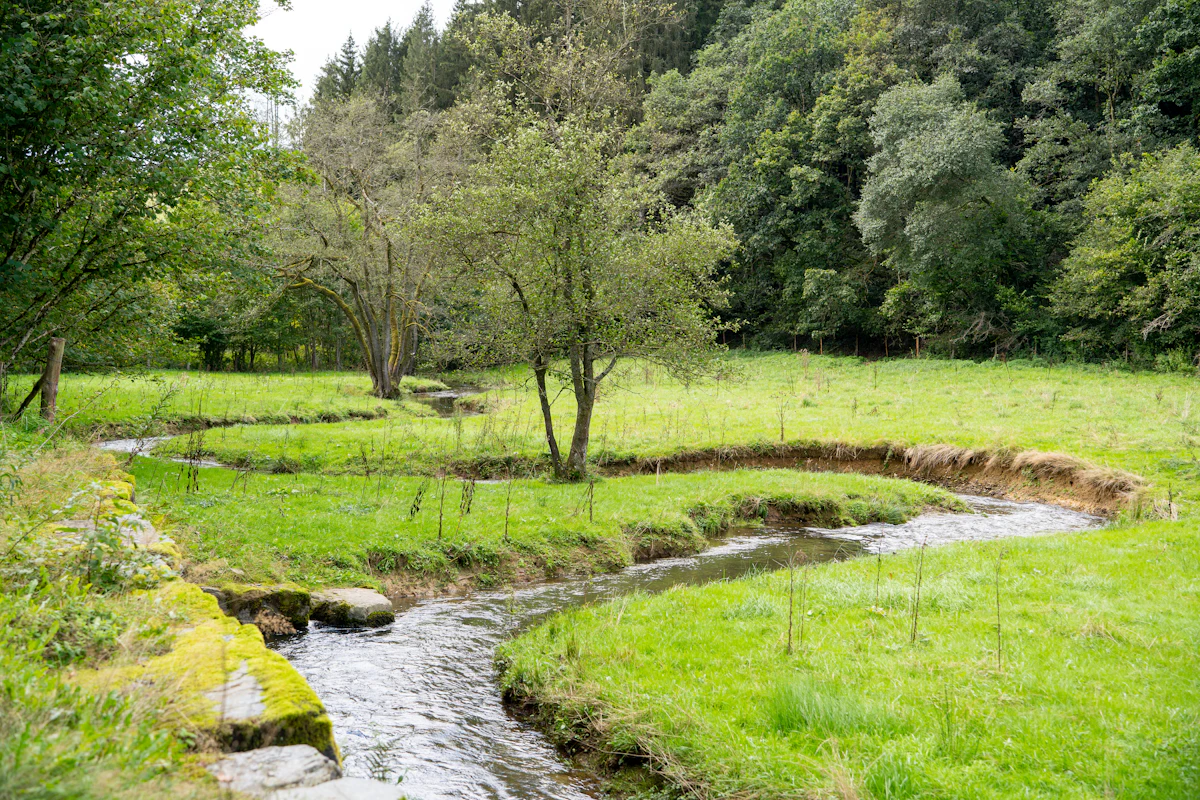
Colorado's strengths come bundled with real trade-offs, and pretending otherwise helps no one.
- Water. Strict prior appropriation, historic rainwater-collection restrictions, and tight domestic-well limits make water access a legal question, not just a geographic one. This is the defining risk.
- Price. Front Range and mountain-resort land is expensive, and the low state sales tax masks a homestead that is generally pricier than that number implies.
- Local sales-tax add-ons. The 2.9% state rate is real, but significant local add-ons mean your actual combined rate can be much higher.
- Short, elevation-driven season. At higher elevations the growing season is short and frost-prone, so season extension is essential.
- Wildfire risk. Many desirable parcels carry meaningful wildfire exposure, which affects insurance, siting, and defensible-space planning.
None of these rule Colorado out. They're reasons to choose your region and parcel deliberately, and to put water at the very top of your checklist.
Getting Started
If Colorado still fits after the honest accounting, here's a sensible path. First, narrow to a region based on your budget, elevation tolerance, and aridity tolerance, using the Colorado data page and the states comparison tool to benchmark it against alternatives. Second, before you fall for any parcel, investigate water exhaustively: confirm which rights convey, their priority date, what they permit, and what a domestic well may legally pump on that specific property. Consider paying a water attorney to verify.
Third, check county-level rules for building codes, septic, well, and electrical permits, since enforcement ranges from heavy on the Front Range to light in remote counties. Then visit, ideally in more than one season. Talk to neighbors and the local extension office about forage, varieties, water history, and wildfire. The homesteaders who thrive in Colorado are the ones who treated water as the first question, not the last.
Conclusion
Colorado offers a genuine mix of advantages: the lowest state sales tax in the country, no statewide building code, low homeschooling oversight, recreational cannabis, a $200,000 homestead exemption, and excellent solar. But it is an honest step harder and pricier than that low sales-tax number suggests. Water is the defining challenge — strict prior appropriation, historic rainwater limits, and tight well rules — compounded by a short high-elevation season, expensive Front Range and resort land, and real wildfire risk.
Do the diligence, lead with water, and choose your region with intention, and Colorado can be a rewarding place to build a self-sufficient, solar-powered life. Start by comparing the live numbers on the Colorado state page and weighing it against every other state in the full comparison.
Frequently Asked Questions
Is Colorado a good state for homesteading?
It can be, for a prepared buyer. Colorado offers the lowest state sales tax in the country, no statewide building code, low homeschooling oversight, a $200,000 homestead exemption, and excellent solar resource (about 5.3 peak sun hours). The major catches are water (strict prior appropriation, historic rainwater-collection restrictions, and tight domestic-well limits), a short high-elevation growing season, expensive Front Range and resort land, and wildfire risk. It rewards careful planning, especially on water.
Can you collect rainwater and use a well freely in Colorado?
Not without checking the rules. Colorado has historically restricted rainwater collection because captured rain is treated as part of the appropriated water system, and the state tightly limits domestic well permits and how much a well may legally pump. Before buying, confirm exactly which water rights convey with the parcel, their priority date, what they permit, and what a domestic well may legally pump on that specific property.
Can you live off-grid in Colorado without a building permit?
Often yes in remote counties, since Colorado has no statewide building code and off-grid living is generally legal. But codes are adopted locally and enforced actively near the Front Range and in more populous counties, and septic, well, and electrical permits often still apply even where building codes are light. Always verify county rules, and remember that build quality at elevation is entirely your responsibility.
Where is the most affordable homesteading land in Colorado?
The Eastern Plains hold the most affordable land, dryland farming and ranching country with lower prices and big parcels. The trade-off is aridity and water as the binding constraint. The Front Range corridor and mountain-resort areas are far more expensive and more regulated, so they're generally the wrong fit for affordable homesteading.

 Your brand here — Reach our audience of professional directory owners and boost your sales.