Homesteading in Arkansas: The Complete 2026 Guide
Cheap, well-watered land, a long growing season, and light regulation make Arkansas a strong homesteading pick. Here's the honest 2026 breakdown.
Written by Homestead Finder Editorial
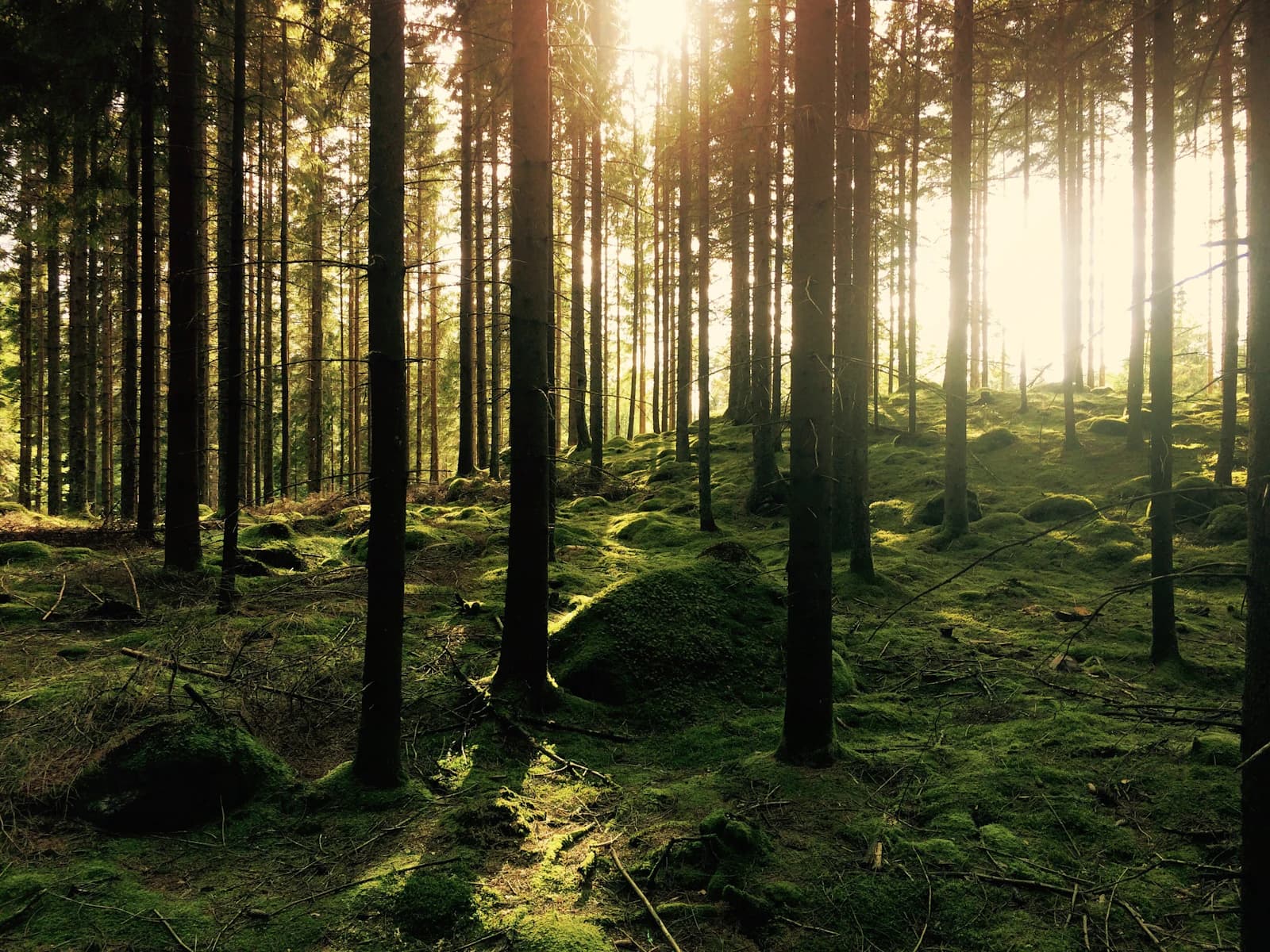
Arkansas rarely tops the lists that aspiring homesteaders skim first, and that is part of its appeal. The state pairs some of the most affordable rural land in the country with reliable rainfall, a genuinely long growing season, and a deep-rooted Ozarks self-sufficiency culture. Add light regulation, constitutional carry, and a relatively broad cottage food law, and you have a place where wooded, hilly homesteading is well established.
This guide walks through what it takes to settle here, where the trade-offs are, and which regions fit which goals. For the live numbers behind the narrative, see the Arkansas state data page, and compare it against the other 49 on the states overview.
Arkansas at a glance
| Factor | Detail (2026) |
|---|---|
| State income tax (top rate) | 3.9% |
| Sales tax | 6.5% |
| Business climate rank | #36 |
| Homestead exemption | $2,500 (modest) |
| Avg farm real estate | ~$3,500/acre |
| Number of farms | ~42,000 |
| USDA hardiness zones | 6b–8a |
| Annual rainfall | 45–55 inches |
| Growing season | 190–230 days |
| Water rights | Riparian |
| Off-grid living | Generally legal |
| Building codes | Partial (limited statewide reach) |
| Homeschool regulation | Low |
| Carry laws | Constitutional carry |
| Raw milk | On-farm / farm-gate sales |
| Cannabis | Medical only |
| Political lean | R+16 |
Why Arkansas for homesteading
The case for Arkansas comes down to a rare combination: cheap land that is also well watered. Plenty of states offer affordable acreage, but many of them are dry, and water is the single hardest problem to solve on a homestead. Arkansas gets 45 to 55 inches of rain a year, which means pastures stay green, ponds fill, and gardens often need less irrigation than you would expect.
Layer on a growing season of 190 to 230 days and USDA zones 6b through 8a, and the agricultural runway is long. You can put in early spring crops, run a full summer garden, and still get a fall planting in before frost. The Ozarks in particular carry a multi-generational homesteading tradition, so the suppliers, the swap meets, and the neighbors who can show you how to do things are already in place.
Regulation is light across the board. Off-grid living is generally legal, building codes have limited statewide reach, homeschooling is loosely regulated, and the state has constitutional carry. For someone who wants to be left alone to work their land, that culture matters as much as any single statistic.
Taxes and cost of living
Arkansas keeps the tax burden moderate. The top state income tax rate is 3.9%, which is low among states that levy an income tax at all, and the rate has been trending down in recent years. Sales tax sits at 6.5% at the state level, though counties and cities add their own local rates on top, so the figure at the register is usually higher.
Property taxes are where homesteaders feel the most relief. Arkansas property tax rates are among the lower tier nationally, and the state offers a homestead exemption credit of up to $2,500 against your property tax bill. That exemption is modest compared to some states, but combined with already-low assessed values on rural land, the annual carrying cost of holding acreage here is genuinely affordable.
The state's overall business climate ranks #36, which is middling and reflects the broader economy rather than the homestead-specific math. For most people buying land to live on rather than to run a commercial operation, the low land prices and property taxes outweigh that ranking. If keeping land costs to a minimum is your priority, see our roundup of the cheapest states to buy homestead land, where Arkansas consistently earns a mention.
Land and farms
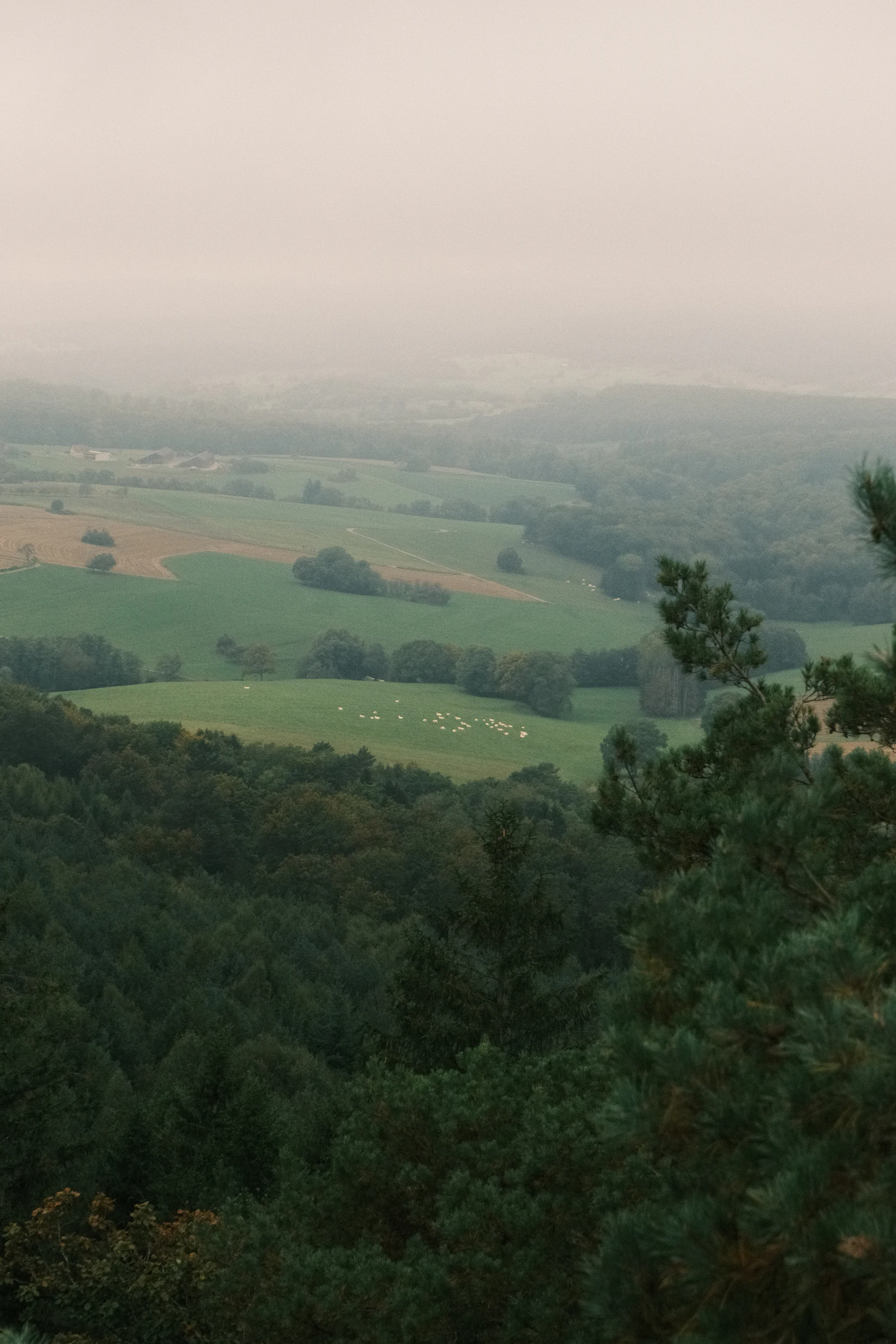
Arkansas farm real estate averages around $3,500 per acre, well below the national average and a fraction of what comparable wooded acreage costs in the Mountain West or the Northeast. With roughly 42,000 farms across the state, there is an active rural land market and a steady supply of smaller parcels coming up for sale, especially in the hill country where large tracts get subdivided.
Prices vary enormously by region. Flat, cleared Delta cropland commands a premium because it is productive row-crop ground. Wooded, hilly parcels in the Ozarks and Ouachitas are cheaper per acre, partly because some of the land is steep or timbered rather than instantly tillable. For a homesteader, that trade can work in your favor: timber for building and firewood, springs and creeks through the hollows, and seclusion to do your own thing.
When you evaluate a parcel, look hard at access (year-round road versus seasonal track), how much acreage is actually usable versus steep slope, the condition of any existing well or spring, and whether the property has been logged recently. Cheap land you cannot reach in winter, or that has no reliable water, is not a bargain.
Climate and growing season
Arkansas sits in a humid subtropical to temperate transition, which gives it warm summers, mild-to-cool winters, and four distinct seasons. The 190 to 230-day growing season is long enough for most homestead staples plus a second or even third succession of fast crops.
The flip side of all that rain and warmth is humidity. Summers are hot and muggy, which favors some crops and fungal diseases in equal measure, so disease-resistant varieties and good airflow in the garden matter. Winters are mild enough that hardy greens and brassicas can overwinter in much of the state, particularly in the southern zones. The hill country sees occasional ice storms that can knock out power for days, which is a real argument for the off-grid resilience the state otherwise makes easy.
Water
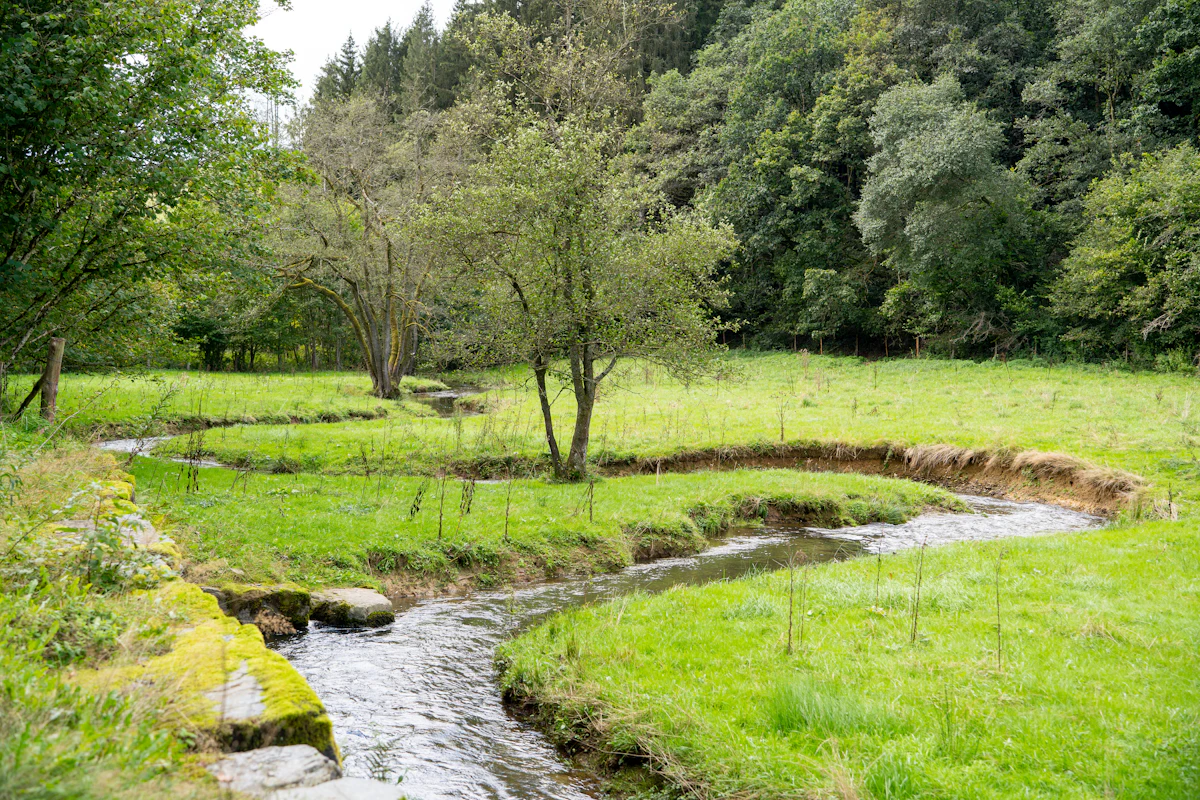
This is Arkansas's quiet superpower. With 45 to 55 inches of annual rainfall, surface water is abundant: creeks, springs, and the natural ponds you can build in clay-bottomed hollows. Groundwater is generally accessible too, though well depth and yield vary by region and you should always confirm with neighbors and local drillers before buying.
Arkansas follows the riparian doctrine of water rights — the eastern-states model. In practical terms, landowners whose property borders or contains a water source have a reasonable right to use it, rather than the prior-appropriation "first in time" system common in the arid West. For a homesteader, riparian rights are generally friendlier: a creek or spring on your land is usually yours to use for household and livestock needs. Rainwater harvesting is also widely practiced. As always, verify the specifics for your parcel and county before you count on any particular source.
Building codes and off-grid living
Arkansas takes a "partial" approach to building codes: statewide enforcement is limited and many rural counties do not impose comprehensive residential codes or inspections at all. Incorporated cities are different and typically enforce codes within their limits, so the freedom you get depends heavily on exactly where you buy.
Off-grid living is generally legal. Solar, wind, composting toilets, and grid disconnection are all workable, particularly outside city limits. Septic systems are regulated at the state level for public-health reasons, so plan on a permitted install or an approved alternative. The combination of light building enforcement in rural counties and a tolerant stance on off-grid systems is exactly why so many self-reliant homesteaders gravitate here.
The critical caveat: rules are set at the county, and sometimes township, level, and they change. Before you commit, call the county judge's office or local planning authority and confirm in writing what applies to your parcel.
Food freedom: cottage food and raw milk
Arkansas has a relatively broad cottage food law, which lets you produce and sell many non-hazardous foods made in your home kitchen, such as baked goods, jams, and similar shelf-stable items, without a commercial kitchen license. That makes it realistic to turn surplus garden produce and home baking into a small income stream at farmers markets and farm stands.
Raw milk is permitted on a limited basis: Arkansas allows on-farm, farm-gate raw milk sales directly to consumers. You can sell raw milk to customers who come to your farm, but retail sale through stores is not the model here. For homesteaders with a family cow or a couple of dairy goats, on-farm sales are a practical outlet. Cannabis is legal for medical use only in the state. Confirm current cottage food product lists and any quantity caps with the Arkansas Department of Health, since the specifics get updated periodically.
Homeschooling and gun laws
Homeschooling regulation in Arkansas is low. Families file a simple notice of intent with their local school district, and the state imposes minimal ongoing requirements beyond that. For homesteading families who want to integrate education with farm life, this is one of the more accommodating states in the country.
On firearms, Arkansas is a constitutional carry state, meaning law-abiding adults can carry without a separate permit. Combined with the state's strong rural and hunting culture, this fits the self-reliant profile most homesteaders are after. As always, understand the specific rules around where and how you carry, and keep current as laws evolve.
Best regions for homesteading
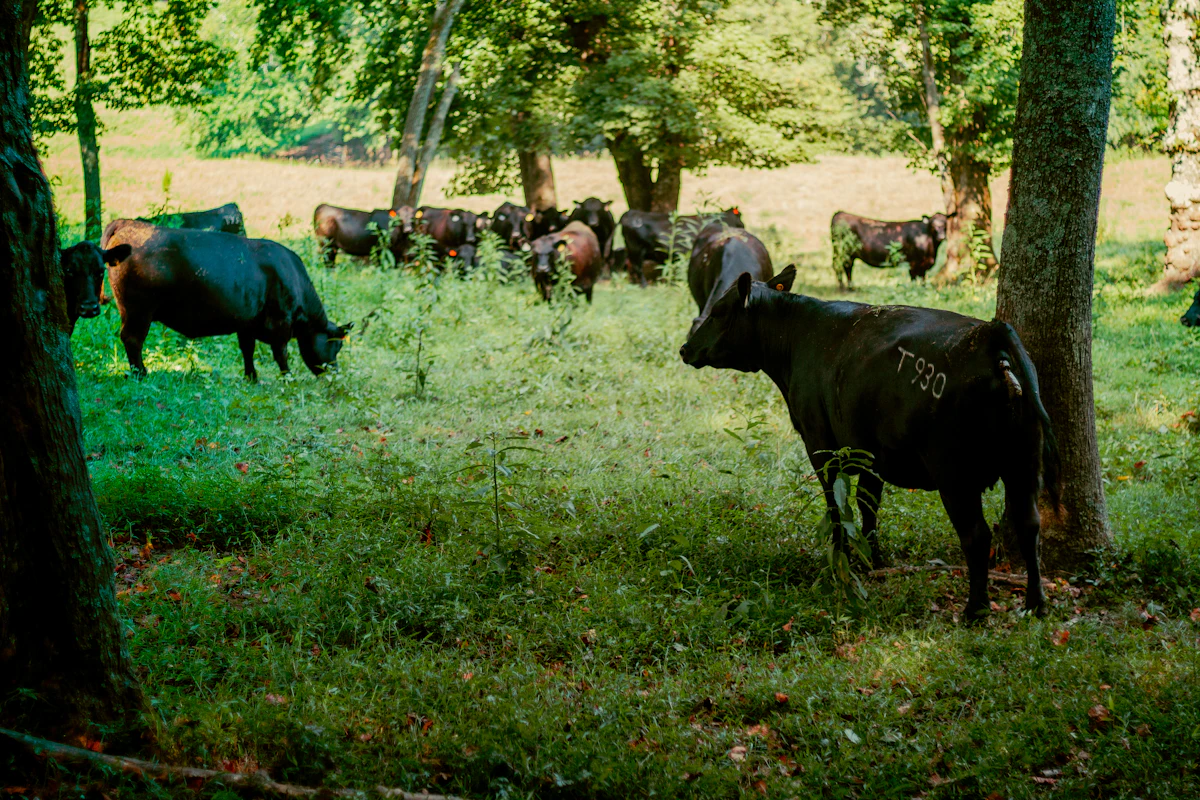
The Ozarks (northwest and north-central). This is classic Arkansas homestead country: forested hills, hollows with springs and creeks, scenic ridgelines, and a homesteading tradition that goes back generations. The catch is that northwest Arkansas around Fayetteville and Bentonville is growing fast, which has pushed land prices up near those metros. Move into the more rural north-central counties and you find the same terrain at friendlier prices.
The Ouachita Mountains (west-central). Heavily forested and generally cheaper than the Ozarks, the Ouachitas offer similar hill-country appeal with timber, water, and seclusion. For buyers chasing the wooded, off-grid lifestyle on a tighter budget, this region deserves a serious look.
The Delta (eastern flatland). Flat, fertile row-crop country in the east. The soil is excellent and productive, but it is prized for commercial agriculture, it can be flood-prone along the rivers, and it lacks the wooded seclusion many homesteaders want. If your goal is large-scale field crops rather than diversified self-sufficiency, consider it; otherwise most homesteaders gravitate to the hills.
Downsides and things to watch
Arkansas earns its place on the homesteading shortlist, but be honest about the trade-offs. The most important number to understand is crime: the statewide violent crime rate runs around 579 per 100,000, which is higher than the national figure. That number is heavily driven by the metro areas, and the rural counties where you would actually homestead are considerably safer. Still, do your own due diligence on the specific county and community you are considering rather than assuming the statewide figure applies everywhere.
Beyond crime, the humidity and summer heat are real, ticks and chiggers are abundant in the woods, and the occasional ice storm can isolate hill-country properties for days. The #36 business climate ranking reflects a state economy that is not a powerhouse, so off-farm job options can be thin in the most rural areas. And because building and land-use rules are set locally, the freedom that makes Arkansas attractive also means you research each county individually.
Getting started
Start by narrowing your region: the Ozarks for established homesteading culture and scenery, the Ouachitas for the best price on wooded land, or the Delta if productive field crops are your goal. Then, before you make an offer, confirm the three things that sink most homestead purchases: reliable year-round water, legal and physical access, and the county rules on building, septic, and land use.
Compare Arkansas against other strong contenders in our best states for homesteading in 2026 ranking, and look at a neighbor with a similar profile in our Tennessee homesteading guide. When you are ready for the live figures, the Arkansas state data page keeps the numbers current.
For most aspiring homesteaders, Arkansas offers a rare deal: affordable, well-watered, wooded land in a state that mostly leaves you alone to live as you choose. Walk in clear-eyed about the crime statistics and the local-rule patchwork, do your county-level homework, and the Ozarks and Ouachitas can be a genuinely strong foundation for a self-sufficient life.
Frequently Asked Questions
Is off-grid living legal in Arkansas?
Yes, off-grid living is generally legal, especially outside incorporated city limits. Solar, wind, rainwater harvesting, and grid disconnection are all workable. Septic systems are regulated at the state level, so plan for a permitted install, and confirm specifics with your county before you buy.
How much does rural land cost in Arkansas?
Farm real estate averages around $3,500 per acre statewide, well below the national average. Wooded hill-country parcels in the Ozarks and Ouachitas tend to be cheaper, while flat Delta cropland and land near the fast-growing northwest Arkansas metros costs more.
Can I sell raw milk and home-baked goods in Arkansas?
Arkansas has a relatively broad cottage food law that allows home production and sale of many non-hazardous foods. Raw milk is permitted through on-farm, farm-gate sales directly to consumers, though not through retail stores. Verify current product lists and rules with the Arkansas Department of Health.
Is Arkansas safe for homesteaders given its crime rate?
The statewide violent crime rate of about 579 per 100,000 is higher than the national average, but it is driven largely by the metro areas. The rural counties where most homesteading happens are considerably safer. Research the specific county and community rather than relying on the statewide number.
Data reflects 2026 conditions and is intended as a starting point. Tax rates, building codes, cottage food rules, and water regulations are frequently set and updated at the county level, so always verify the current rules for your specific parcel before you buy.

 Your brand here — Reach our audience of professional directory owners and boost your sales.